

Snowbike Gear Guide: What I Actually Wear on the Mountain
Let's face it—snowbikes are hard on gear.
Between deep powder, tree wells, frozen mornings, sweaty climbs, unexpected cartwheels, and helping your buddy get unstuck for the tenth time, winter riding puts equipment through the wringer. Choosing the right gear can make the difference between an epic day in the mountains and a miserable one.
Related Snowbike Products
C3 CenterFlow Heated Handlebars + Thermostat Bundle
https://www.moto-365.com/shop/p/heated-bars-thermostat-bundle
C3 Backcountry Snowbike Footpegs
https://www.moto-365.com/shop/p/c3-backcountry-footpegs
NXT Wrap-Around Handguards
https://www.moto-365.com/shop/p/nxt-wrap-around-handguards
Trail Tech TTO Temperature Gauge
https://www.moto-365.com/shop/p/trail-tech-tto-temp-guage
Not sure which snowbike kit fits your riding? Read the Moto365 Buyer's Guide:
https://www.moto-365.com/buying-guide-which-kit-is-right-for-me
Before we dive in, I'll admit that I've been wearing 509 gear almost exclusively for the last several seasons. It's what I know and what has worked well for me. There are plenty of good brands out there, but this guide is based on gear I've personally spent countless days riding in.
Let's start at the top and work our way down.
Helmet & Goggles
Helmet
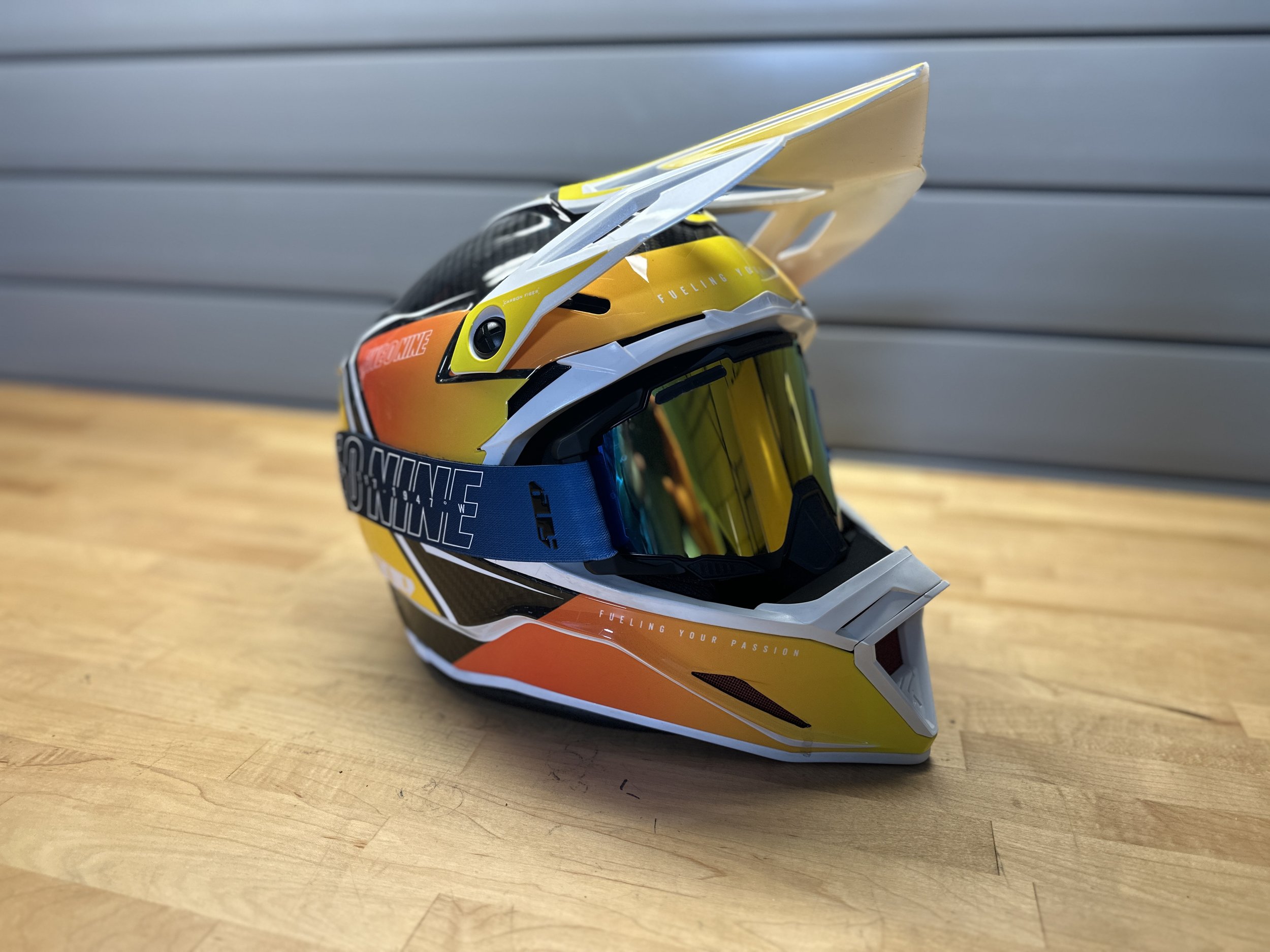
My helmet of choice is the 509 Altitude 2.0 Carbon Fiber 3K High Flow.
The biggest advantage? Weight.
When you're spending all day wrestling a snowbike through technical terrain, every ounce matters. A lightweight helmet helps reduce neck fatigue and keeps you fresher later in the day.
I tend to run warm, so I choose the High Flow version. The larger vents provide noticeably better airflow when you're working hard on climbs or digging your bike out after making a questionable life decision.
The Fidlock magnetic buckle is another feature I wouldn't want to ride without. Once you've used one, you'll wonder why every helmet isn't built this way. Taking your helmet on and off with gloves on becomes effortless.
The helmet also comes with a removable BreathBox. Personally, I remove mine because I find it restricts airflow and makes breathing harder when I'm exerting myself.
Goggles
I've tried a lot of goggles over the years.
The one I keep coming back to is the 509 Sinister X7.
For me, they fit perfectly with the Altitude helmet, offer excellent visibility, and most importantly—they don't fog.
Everyone's face shape and riding style are a little different, but the X7 has been the most reliable setup I've found. Plus, there are tons of lens and color options available to match your gear or your mood.
As for heated goggles?
I know some riders swear by them, but they're not for me. I've found they tend to attract moisture and can actually create situations where snow and fog stick to the lens. Your mileage may vary, but I've had better luck with a quality non-heated goggle.
Jackets & Bibs
I've worn just about everything in the 509 lineup at one point or another, and I keep most of it in the shop so customers can see it firsthand.
For 90% of my riding season, I find myself reaching for the Ether series.
I won't pretend to be an expert on fabric technology or membrane specifications. I simply wear what works.
The Ether material does a great job shedding moisture and has proven durable against the constant abuse snowbikers put gear through. Tree branches, brush, crashes, and repeated contact with the bike don't seem to faze it.
My Non-Negotiables
1. Black Seat Material
This might sound silly, but trust me.
The seat area of your bibs is going to take a beating. It gets wet, dirty, and constantly rubs against the bike.
Black fabric hides wear and moisture far better than lighter colors.
Nobody wants to spend the day looking like they sat in a puddle.
2. Good Pockets
I love pockets.
One needs to be easily accessible for my phone so I can quickly grab it for GPS checks or capture a banger for Instagram.
Another usually holds a beanie for those times when I take my helmet off to help a buddy get unstuck... again.
Most importantly, all of my avalanche gear needs a proper home. Thankfully, 509 includes dedicated avalanche beacon pockets in their gear, which is a feature I use constantly.
Shells Only
Whatever jacket or bib I'm wearing, it's just the shell.
I personally avoid insulated outerwear because I run warm. Between riding, digging, and maneuvering the bike, I generate plenty of heat on my own.
Layering gives me far more flexibility than insulated gear ever could.
Monosuit vs Jacket & Bib
I've tried monosuits.
I've tried a lot of monosuits.
And somehow I always end up back in a traditional jacket-and-bib combination.
For me, the flexibility is hard to beat. It's easier to regulate temperature, easier to mix and match, and let's be honest—it gives you more opportunities to coordinate colors.
And looking cool absolutely matters.
Honorable Mention: The Stoke Line
When I'm not wearing Ether gear, I'm usually wearing the 509 Stoke series.
The material is lighter, stretchier, and more athletic-fitting than the Ether line.
It's my go-to choice for sunny days and ideal riding conditions when maximum mobility becomes more important than weather protection.
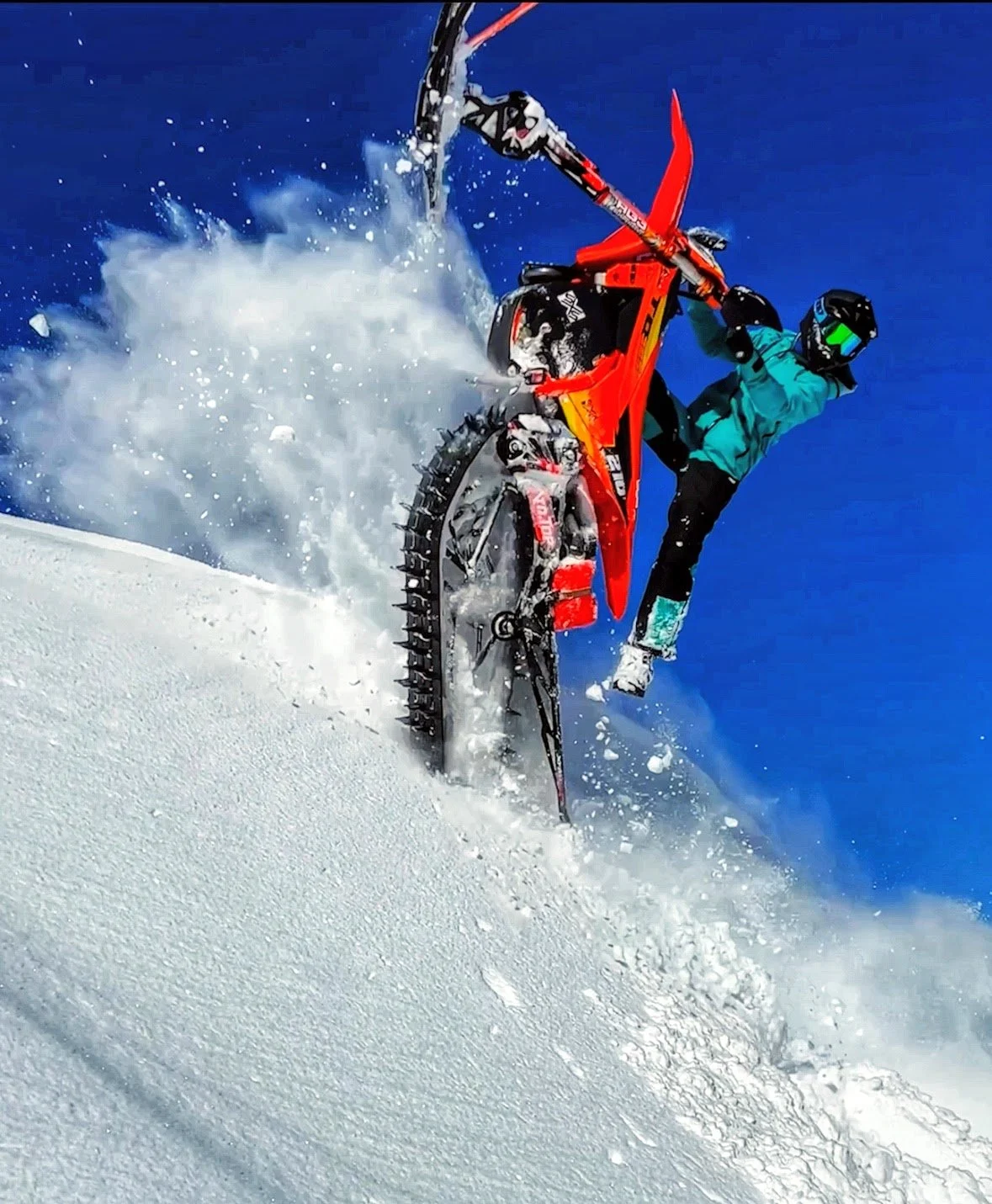
Stoke Mono is pictured. Really like the slim fit of this line.
Boots
For boots, I've been wearing the 509 Velo Raid series for years.
The original Velo Raid performed well overall, but the plastic buckles were never my favorite feature.
Thankfully, 509 addressed that with the new Velo Raid 2.0, which features aluminum buckles.
Finally.
The Velo Raid 2.0 offers:
Good durability
Reasonable insulation
Excellent ankle support
A slim toe box that makes shifting easy
A competitive price point
The narrower toe box is something I particularly appreciate because bulky boots can make shifting frustrating on technical terrain.
There are some promising options coming from Alpinestars as well, but I haven't spent enough time in them to provide an honest review.
Gloves
Gloves can be one of the trickiest pieces of gear to get right.
Traditional snowmobile gloves are often too thick and bulky, reducing feel and control at the handlebars.
My solution?
Heated handlebars.
With heated grips doing most of the work, I can wear thinner gloves that provide significantly better control.
My current favorite is the 509 Factor Pro Glove.
They're comfortable, offer excellent grip, and allow precise control of the bike.
The downside?
They get wet.
And if you're riding with that one friend who specializes in getting stuck, they're going to get wet quickly.
Always carry at least one spare pair—preferably two.
Trust me on this one.
Layering
Base layers are the unsung heroes of snowbike gear.
You can have the most expensive outerwear in the world, but if your layering system isn't right, you're going to be uncomfortable.
My setup is pretty simple:
509 FZN Merino base layers
Quality wool socks
That's it most days.
The Merino layers do a great job regulating temperature, managing moisture, and staying comfortable all day.
When conditions turn colder or snowier, I'll add a lightweight fleece pullover under my shell.
Nothing fancy.
Just enough insulation to take the edge off without turning me into a sweaty mess.
Final Thoughts
At the end of the day, the best gear is the gear that keeps you comfortable and lets you focus on riding.
For me, that means lightweight gear, plenty of ventilation, heated handlebars, thin gloves, and a layering system that can adapt to changing conditions.
Everyone rides differently, and everyone runs a little hotter or colder. Use this guide as a starting point and don't be afraid to experiment until you find what works best for you.
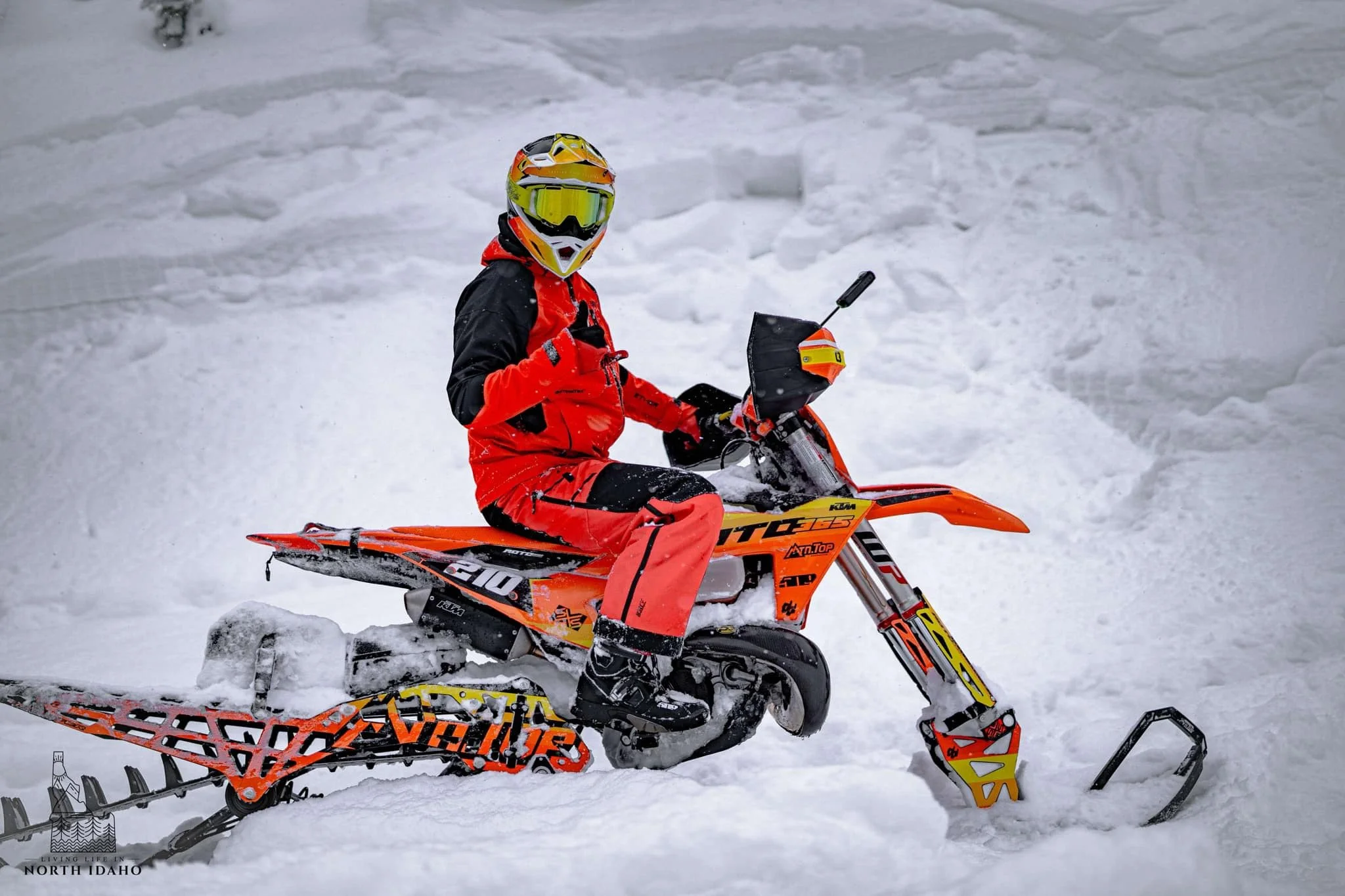
Pictured in This Setup
🏔️ Helmet: 509 Altitude 2.0 Carbon Fiber 3K High Flow
🥽 Goggles: 509 Sinister X7
🧥 Jacket: 509 Ether Jacket
👖 Bibs: 509 Ether Bibs
🥾 Boots: 509 Velo Raid
🧤 Gloves: 509 Factor Pro Gloves
My go-to setup for most riding days. Lightweight, breathable, durable, and comfortable enough for everything from breaking trail in deep powder to spending the afternoon digging your buddy's bike out of a tree well. 😉
About the Author
Darren Teal has been riding snowbikes since 2010 and has spent over 14 years testing kits, building custom snowbikes, and helping riders throughout North America choose the right setup. He is an authorized MTN.TOP and CMX dealer based in Post Falls, Idaho.
See also: TRKSR Review
