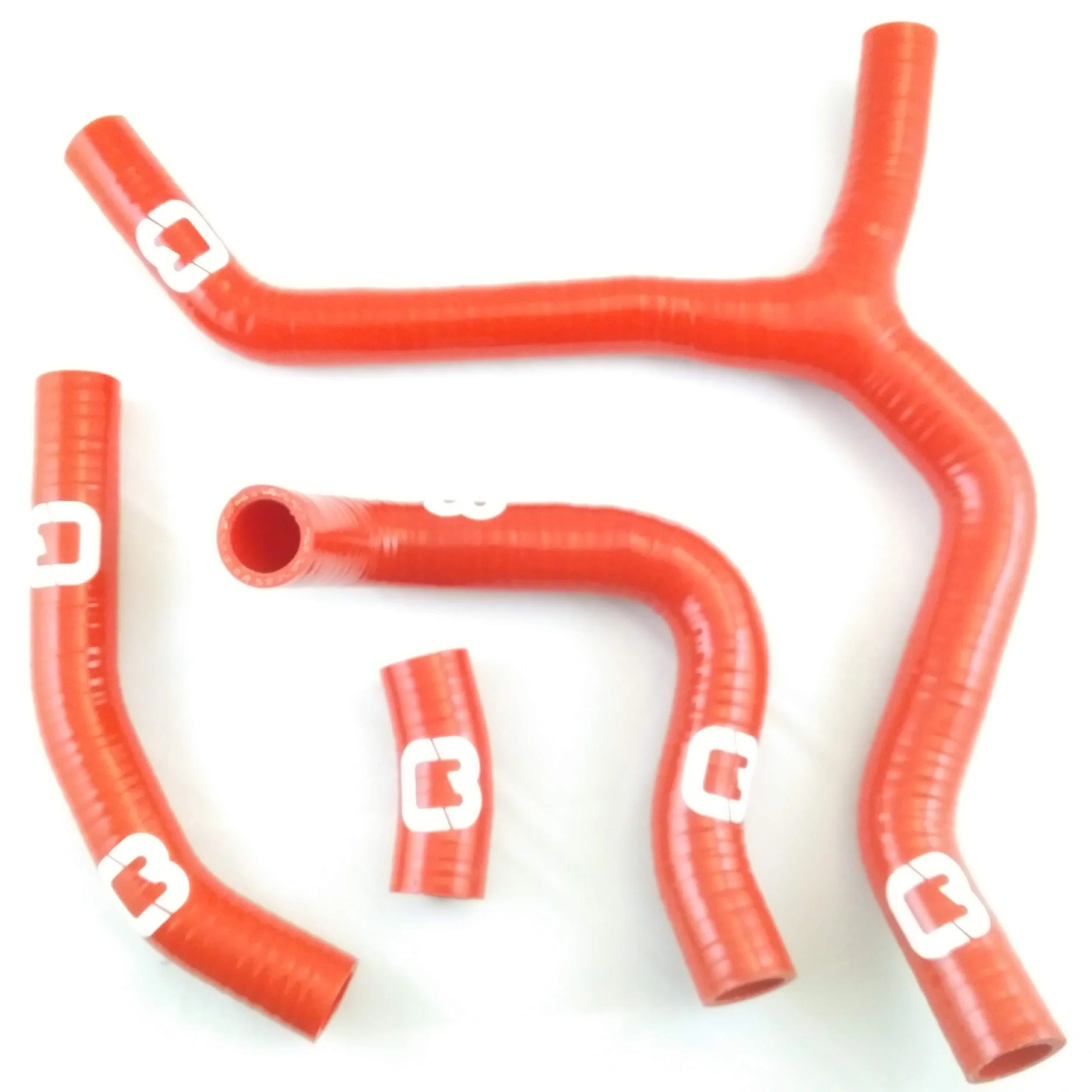
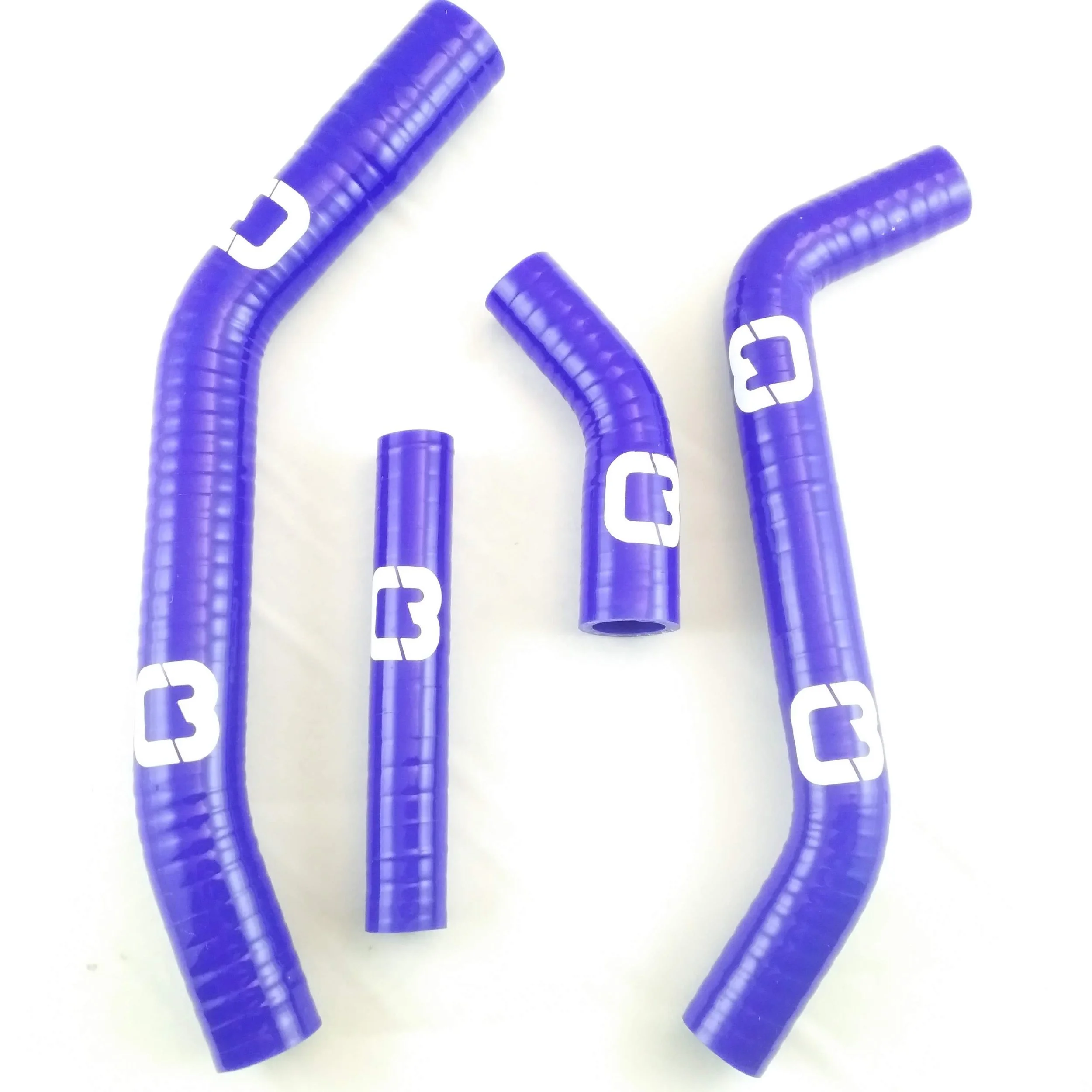
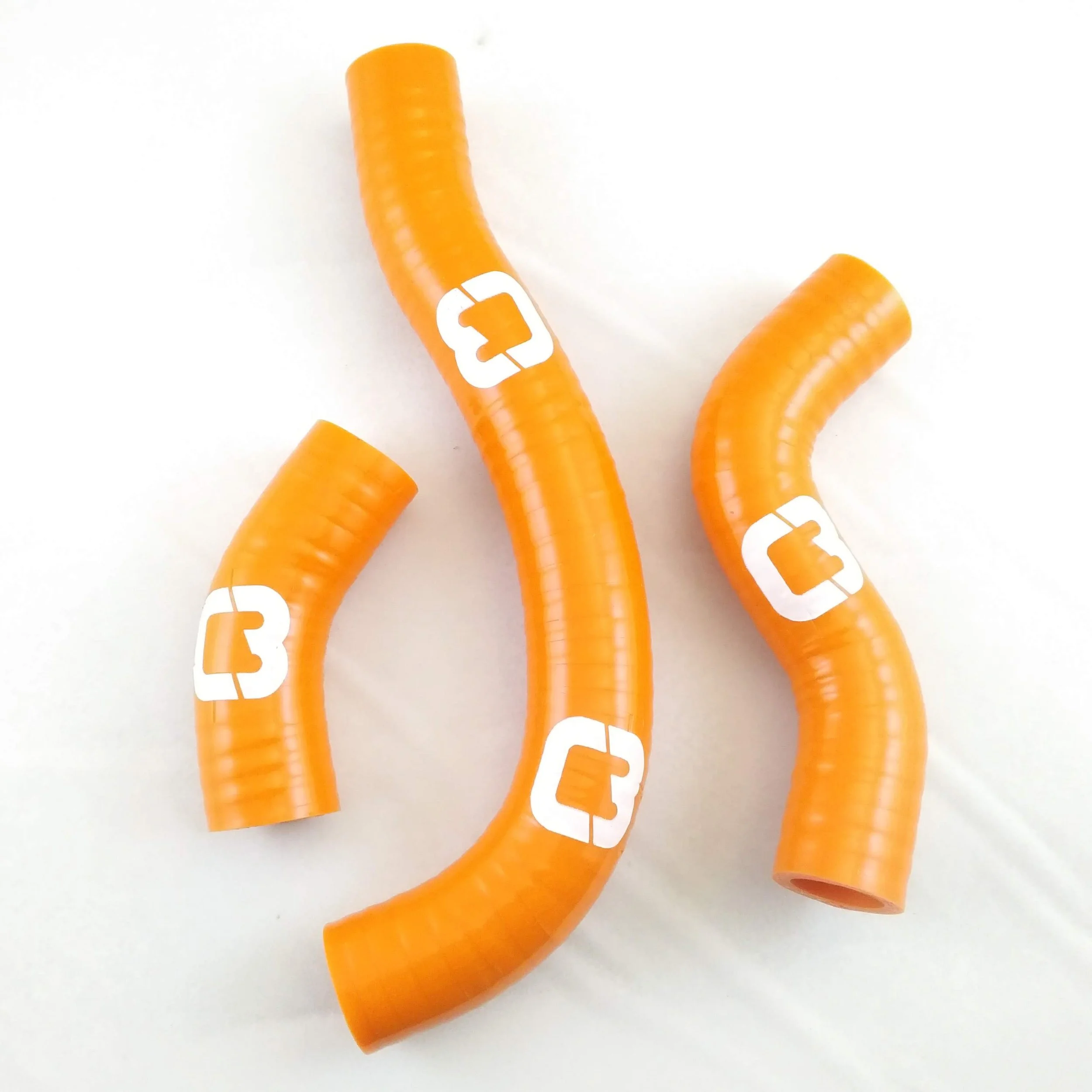
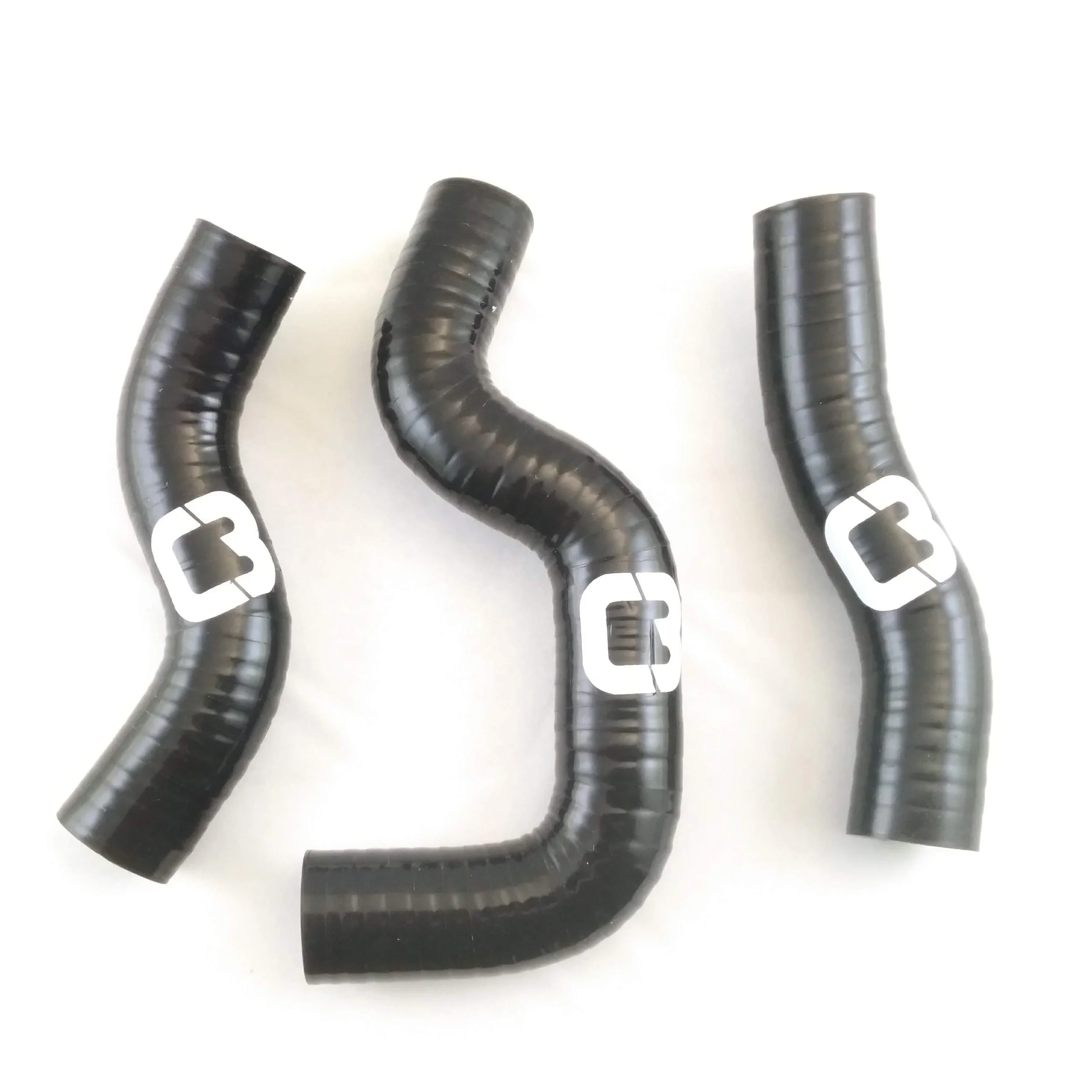
 Image 1 of 9
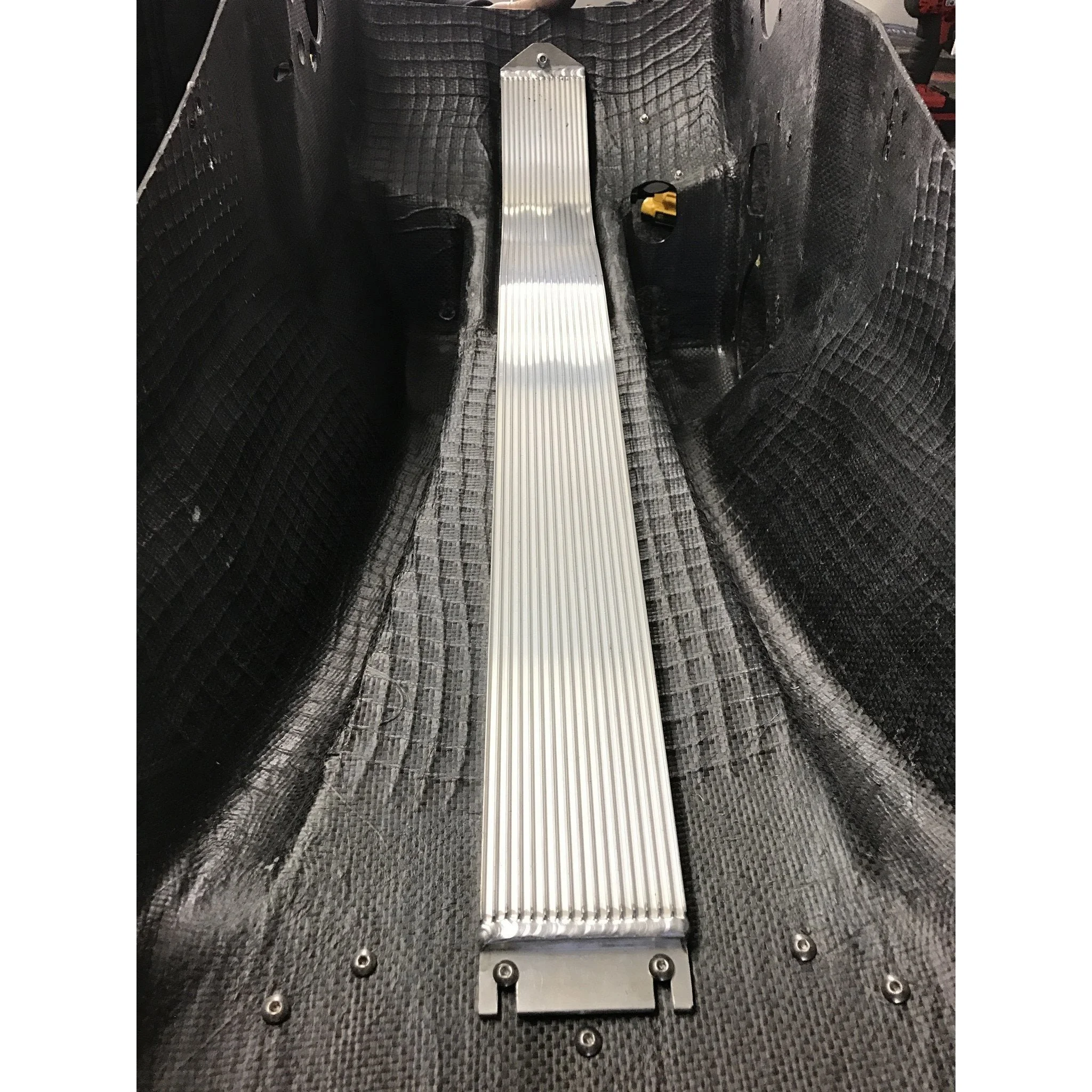 Image 2 of 9
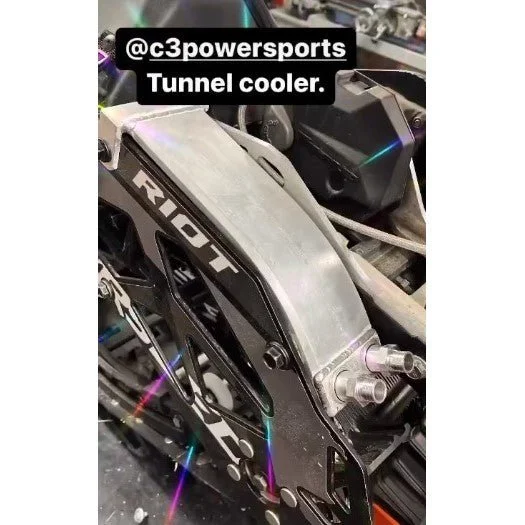 Image 3 of 9
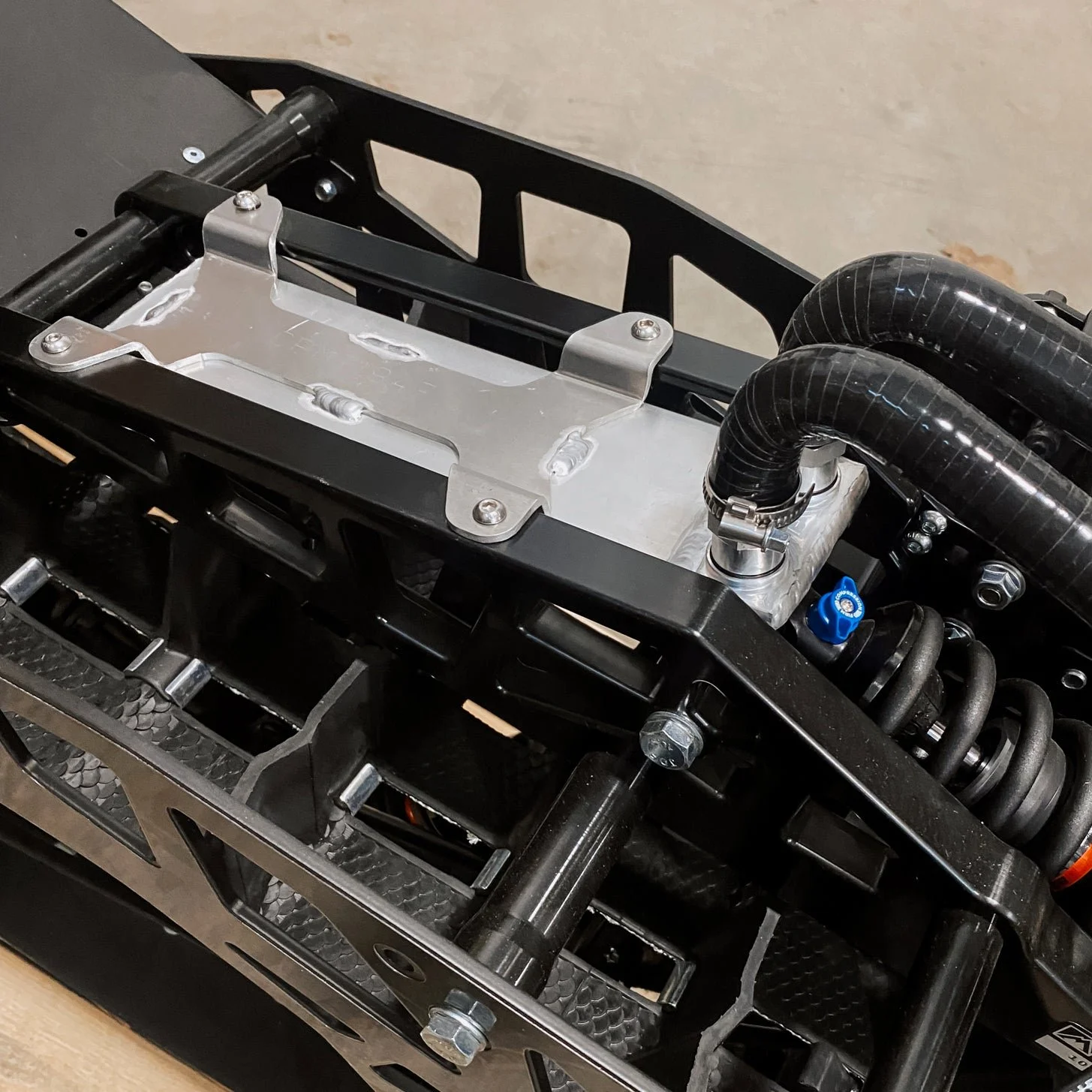 Image 4 of 9
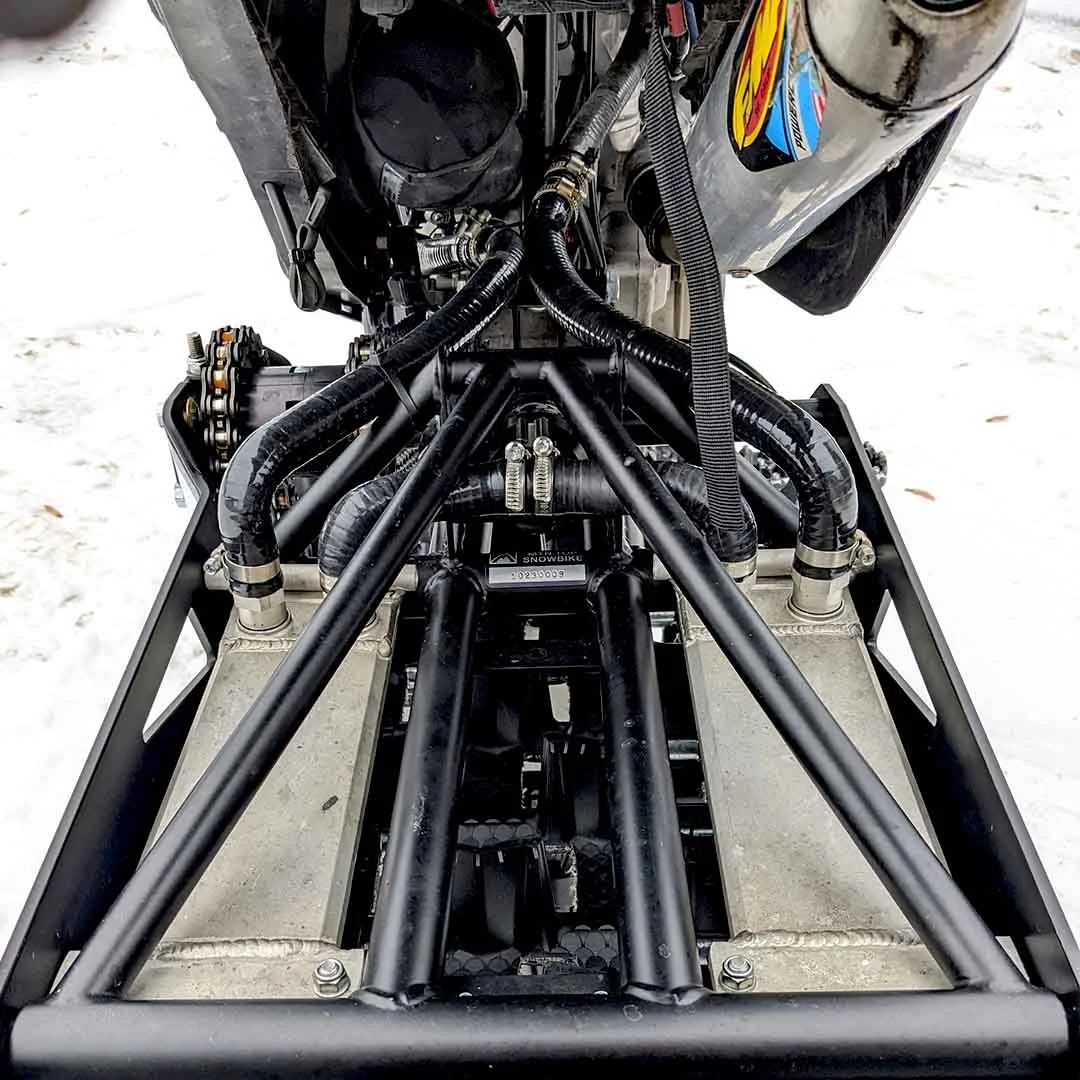 Image 5 of 9
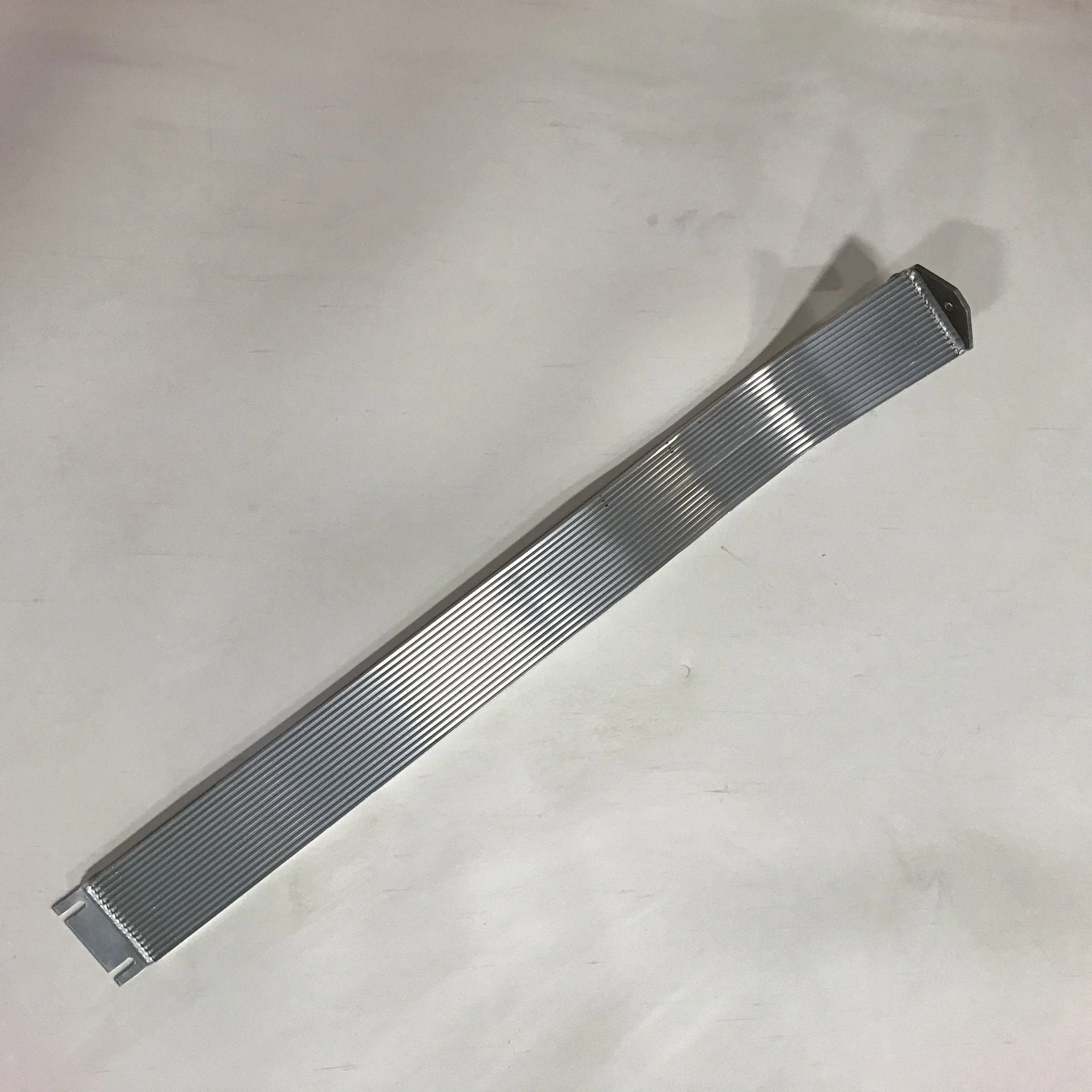 Image 6 of 9
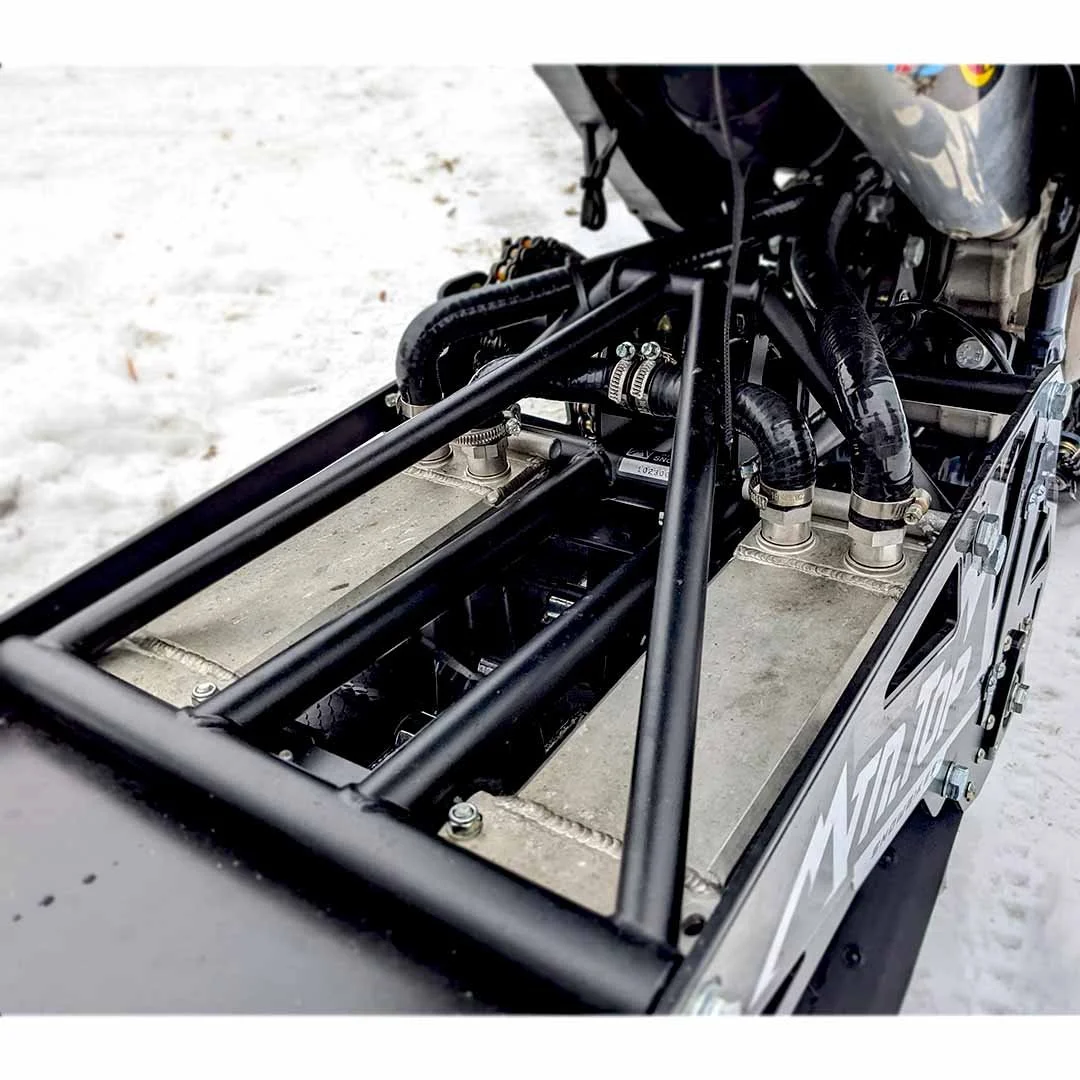 Image 7 of 9
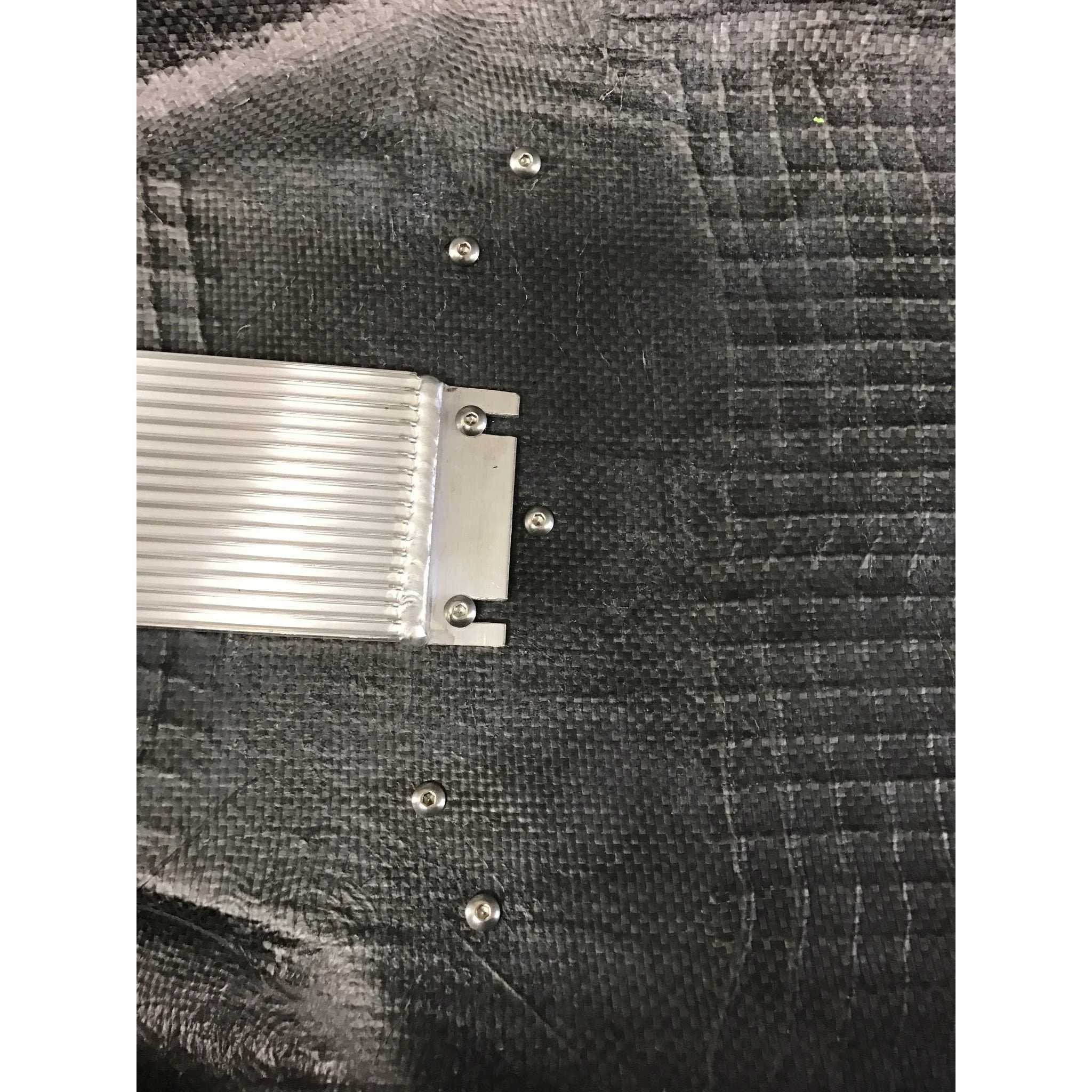 Image 8 of 9
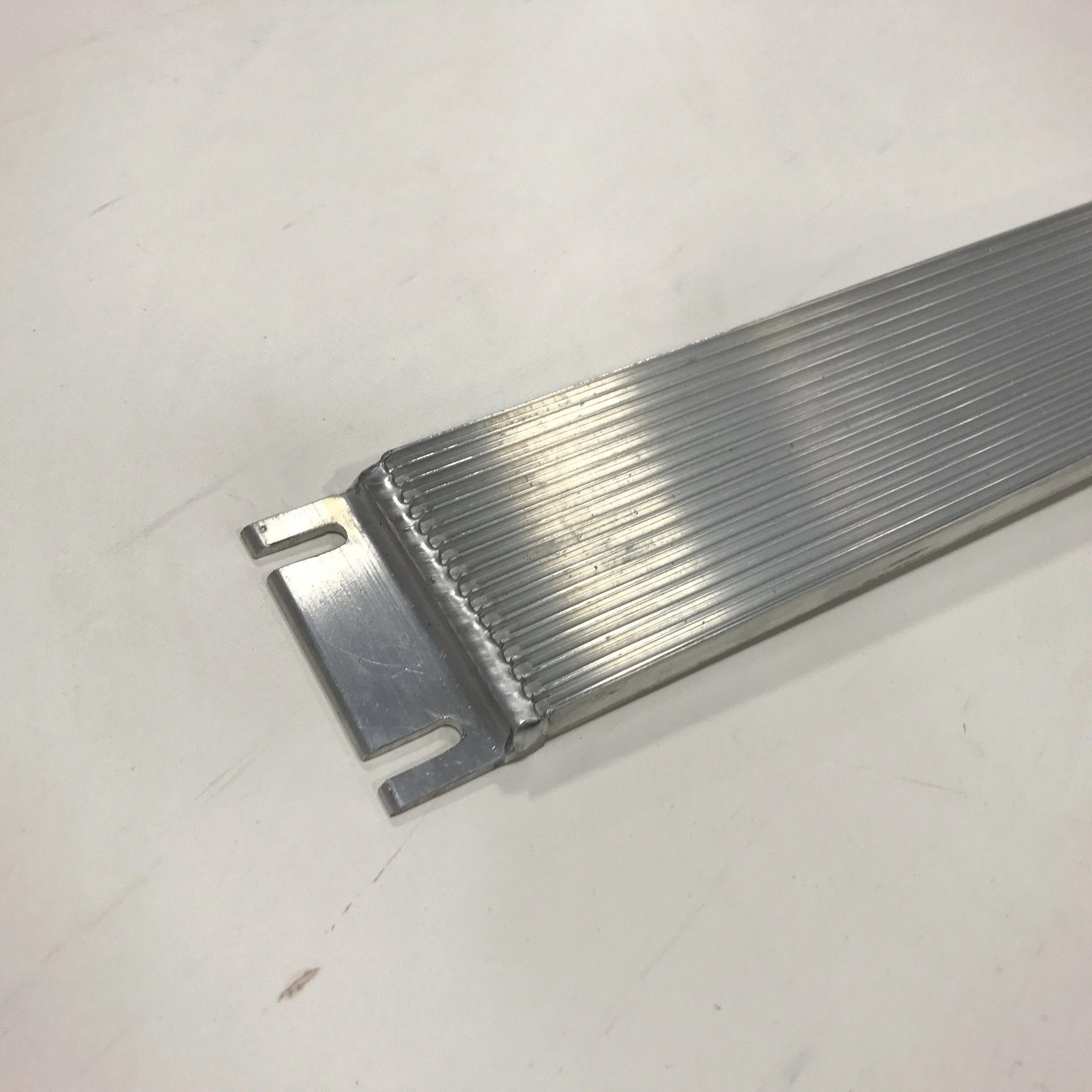 Image 9 of 9
Product details
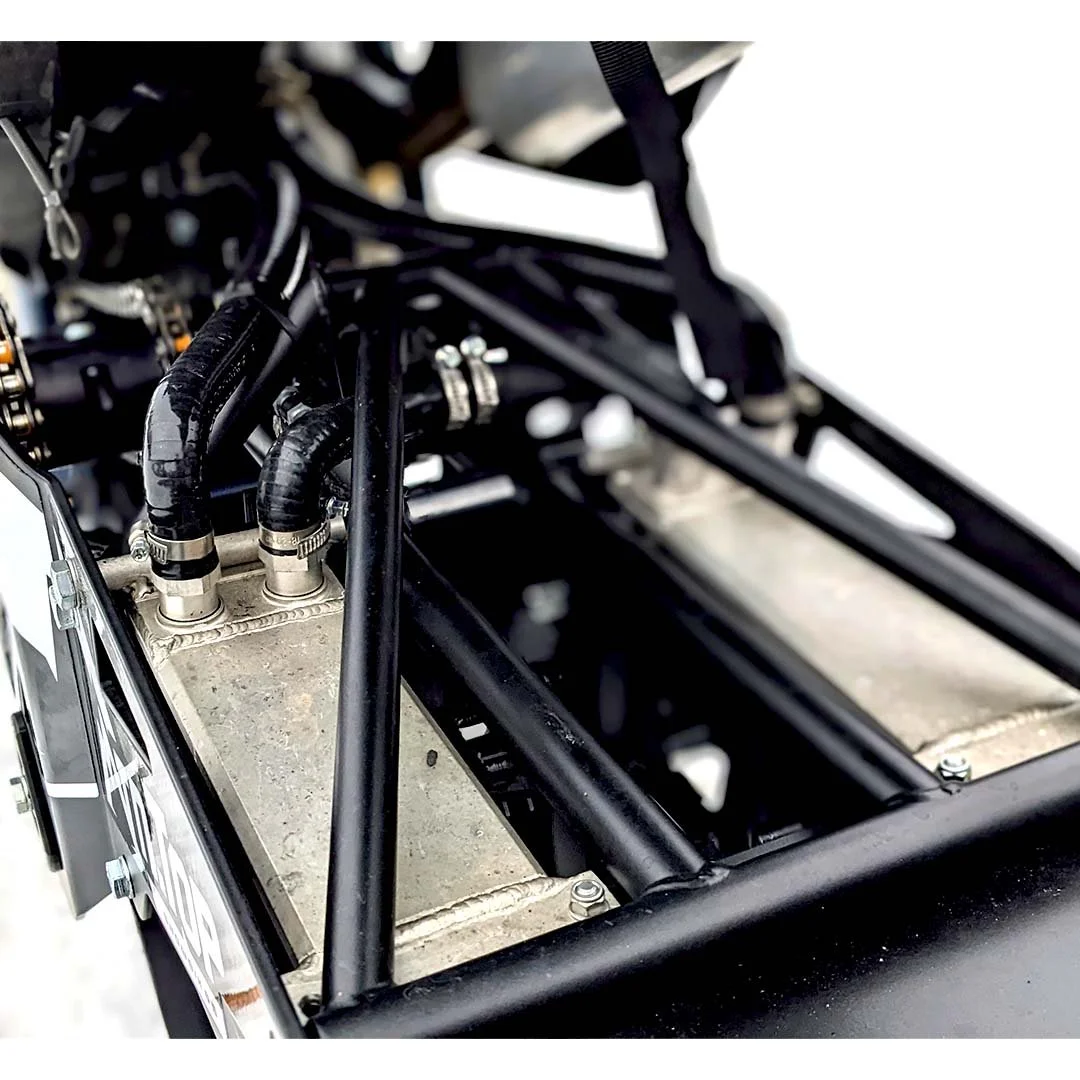
The C3 Snowbike Tunnel Cooler is a snowmobile-style heat exchanger that adds cooling capacity for demanding snowbike use. It is most relevant to turbocharged, supercharged, big-bore, or other high-output builds and to sustained high-rpm, low-speed pulls in warmer spring conditions.
Manufacturer: C3 Powersports
When it makes sense
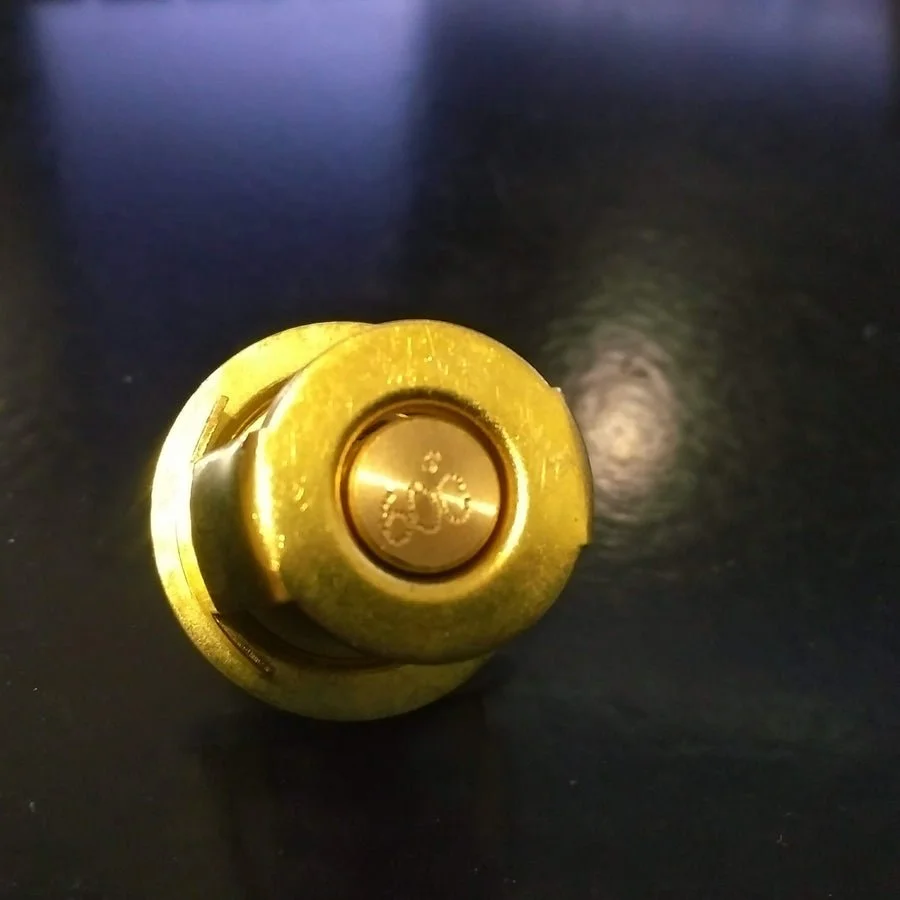
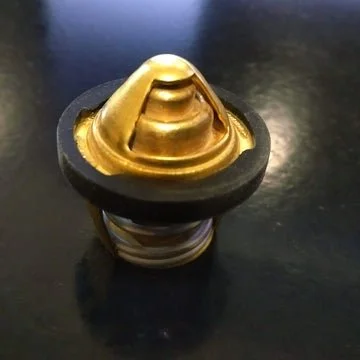
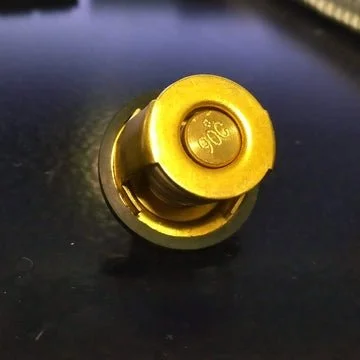
C3 does not generally consider a tunnel cooler necessary for a stock 450 in normal winter use. Repeated overheating on that type of build can instead indicate a thermostat, blocked radiator guard, or engine-enclosure airflow issue. Address those root causes before treating an additional heat exchanger as the only solution.
Size and fitment
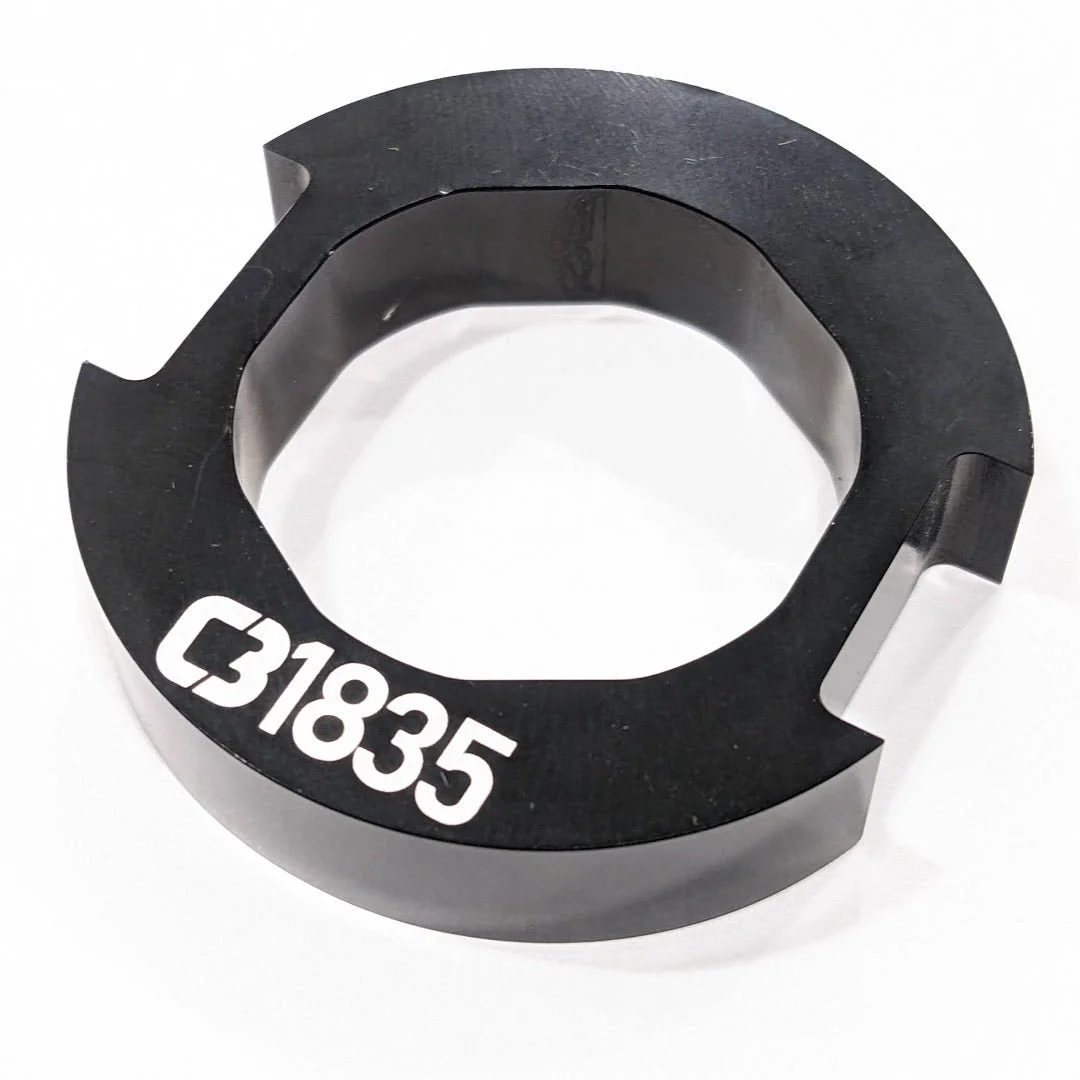
C3 recommends the smaller 12-inch single cooler for most applications; the 30-inch double is aimed mainly at builds with much higher heat output. Platform-specific mounting differs across YETI, Timbersled, and MTN.TOP generations, and some combinations do not accept the larger cooler. Use only the exact platform and size options offered by the live selector.
Installation
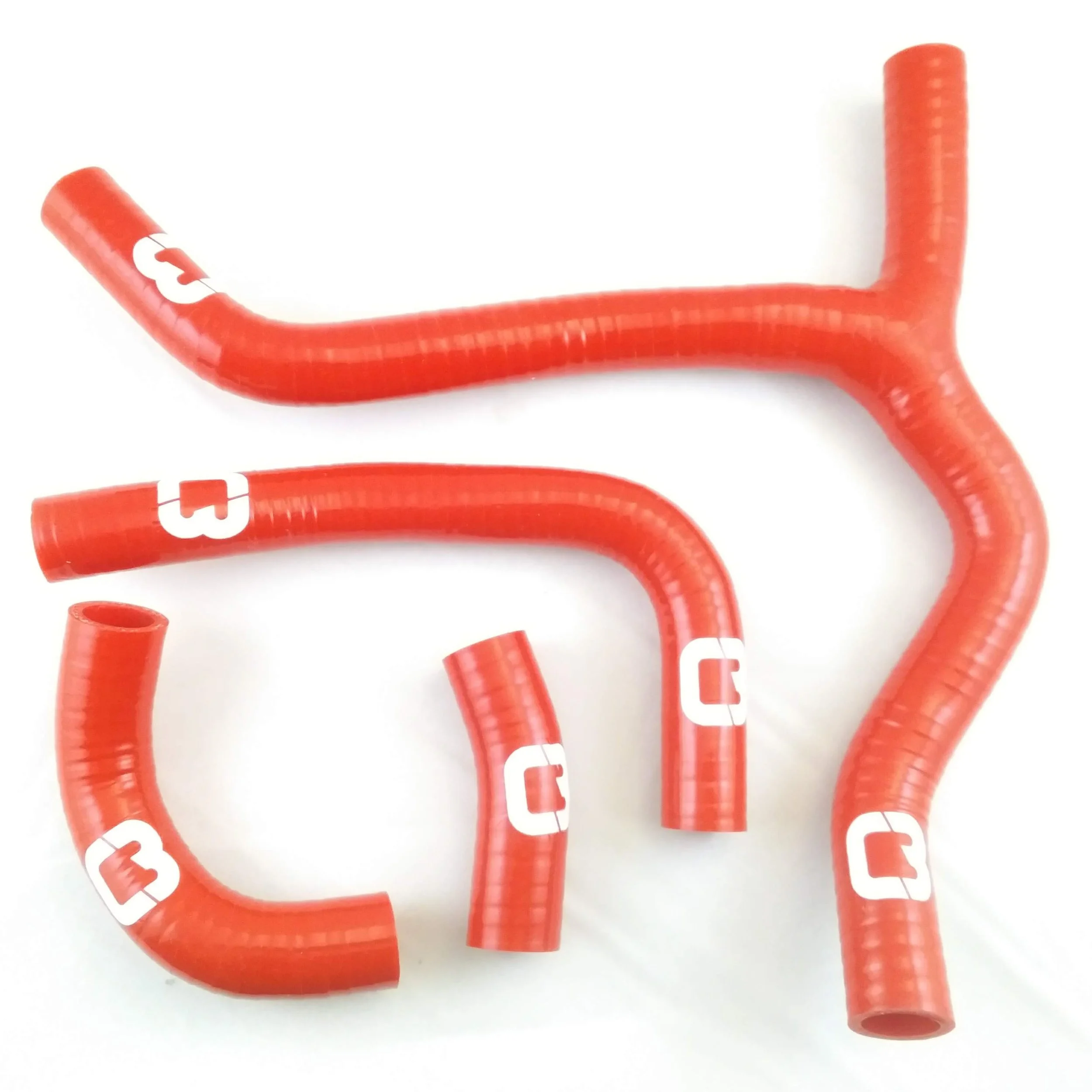
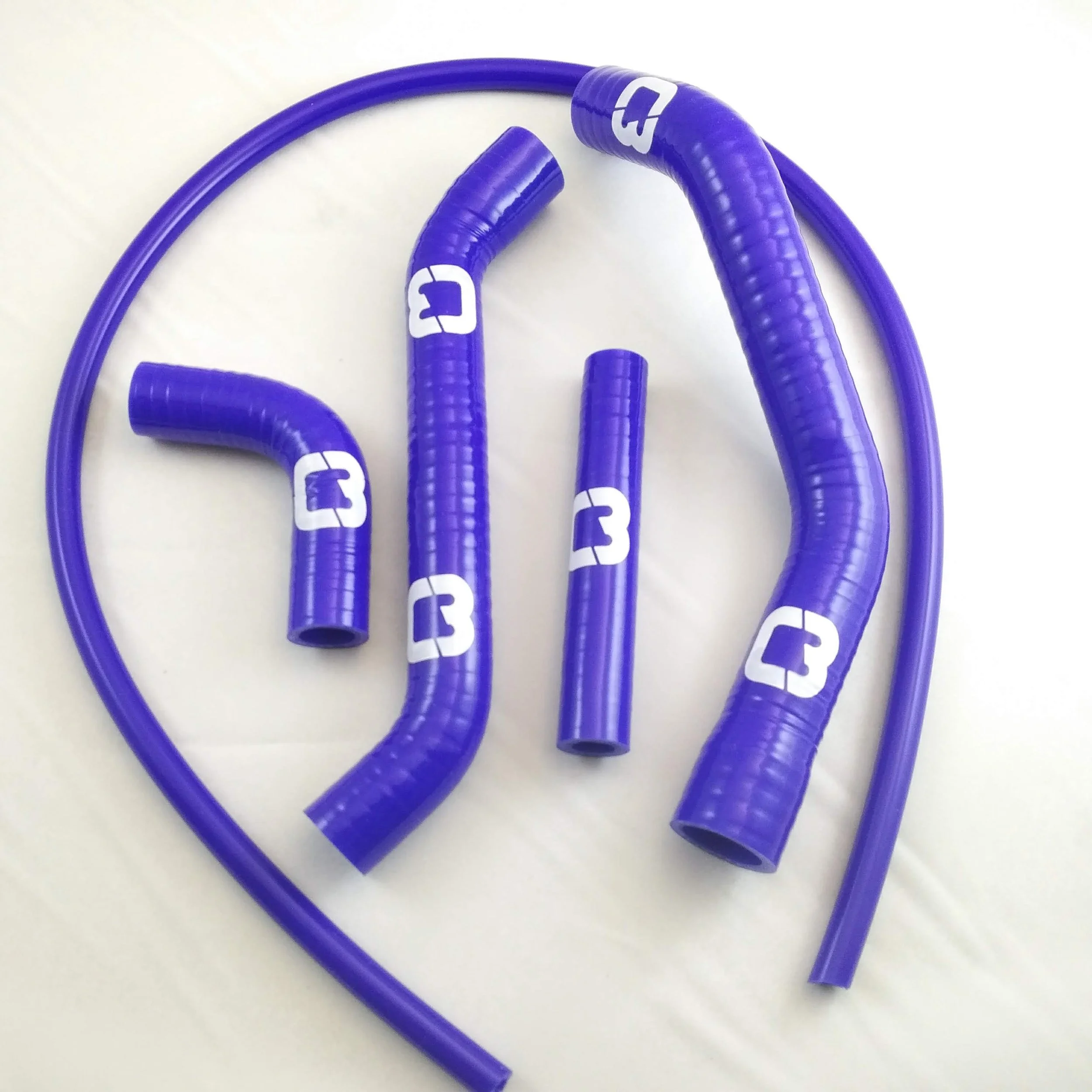
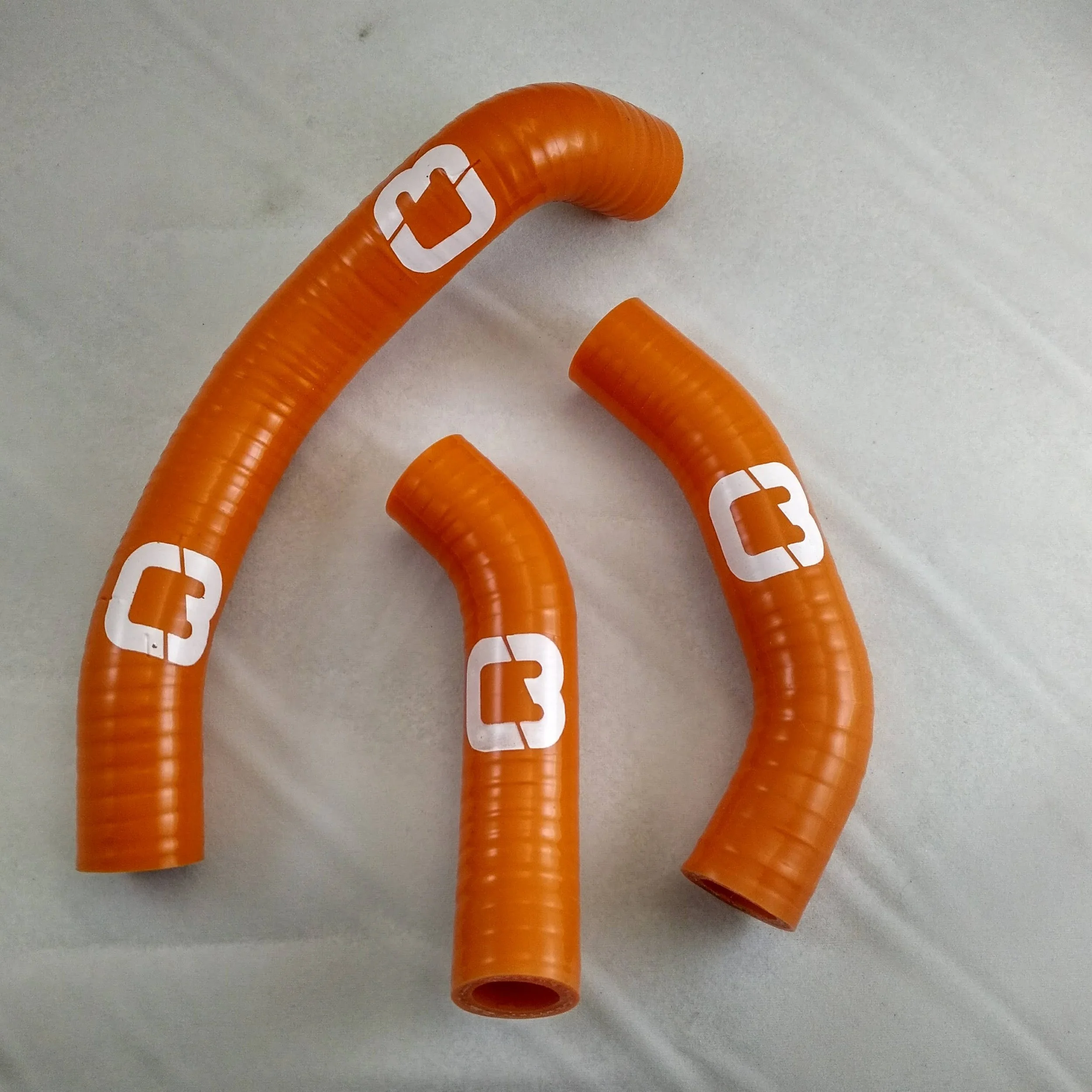
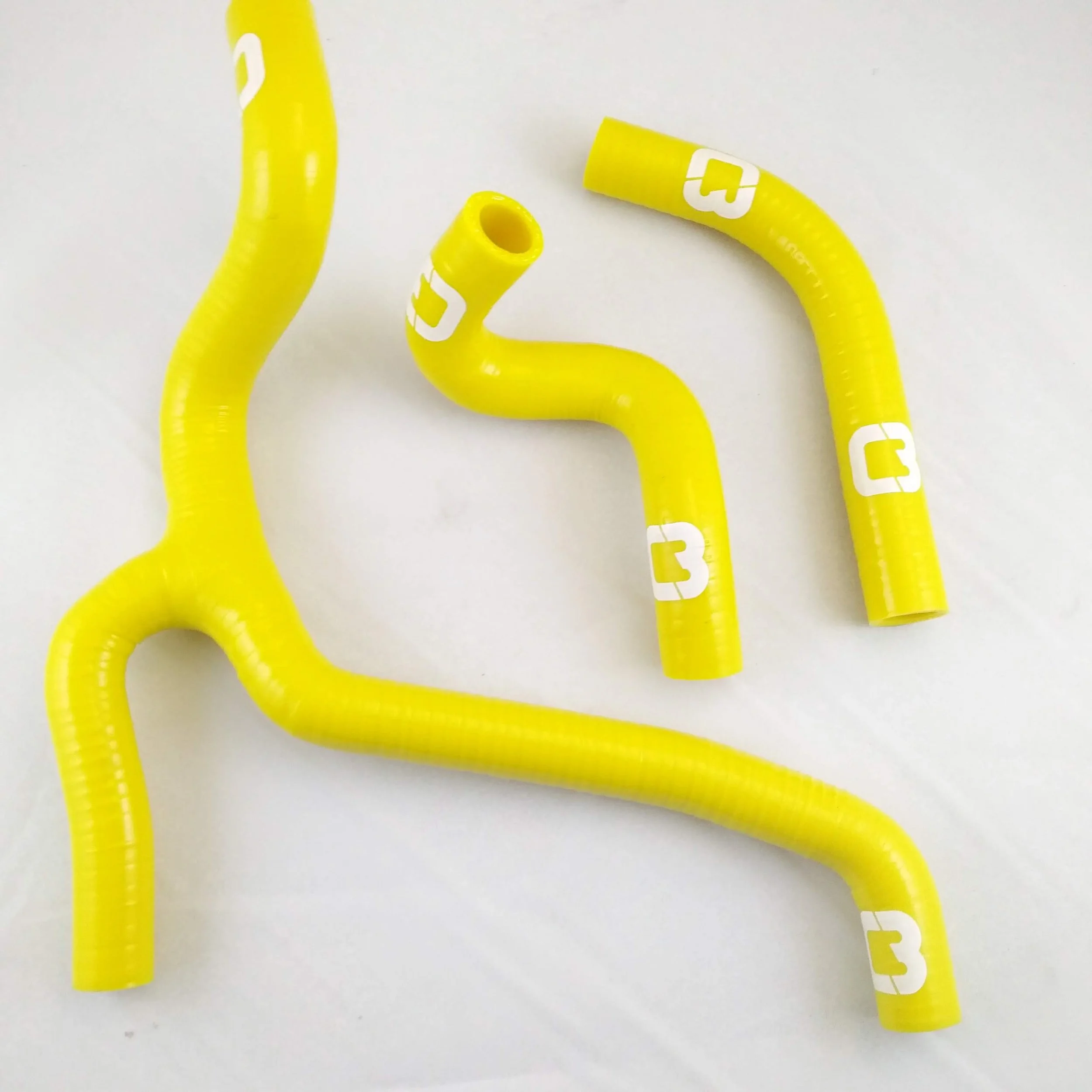
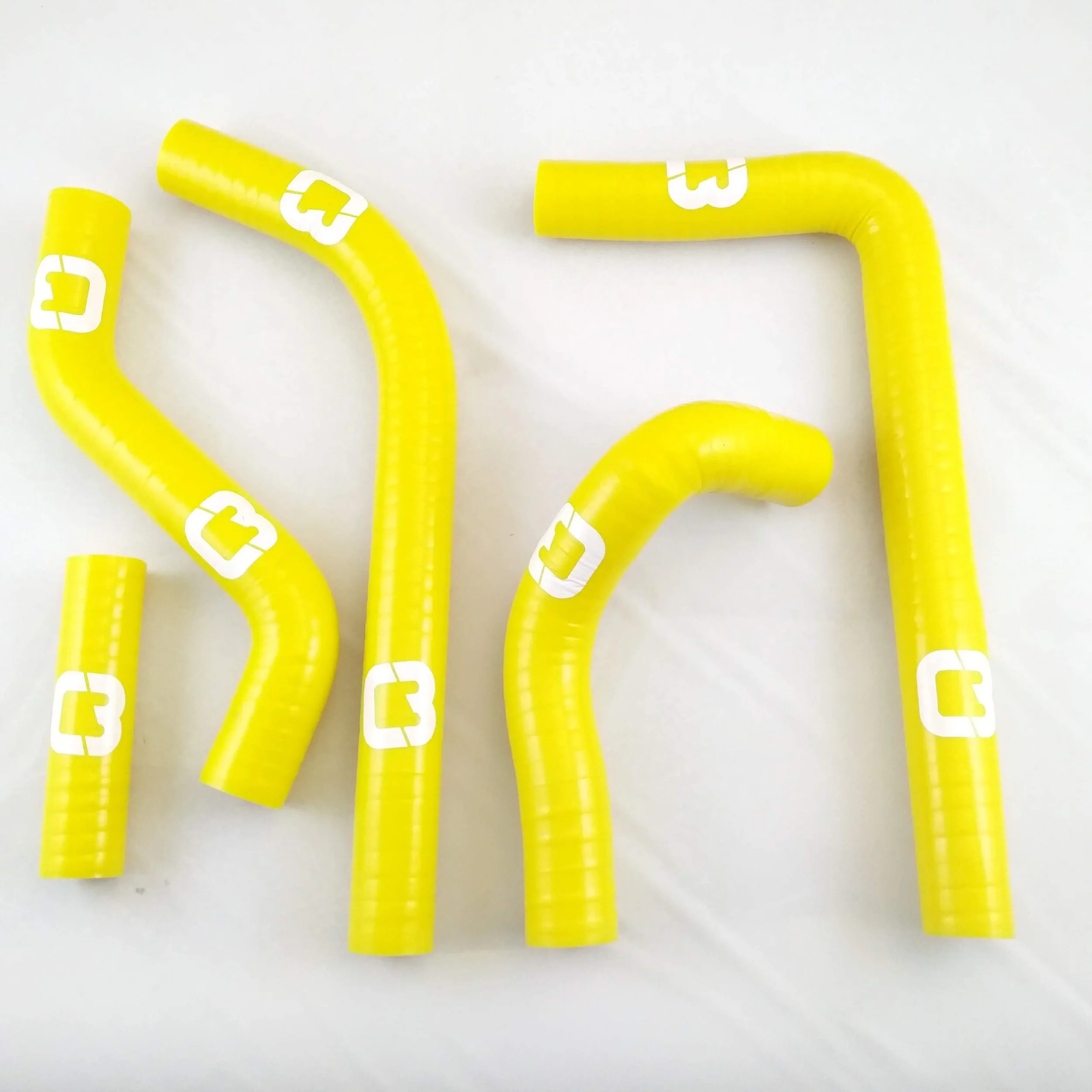
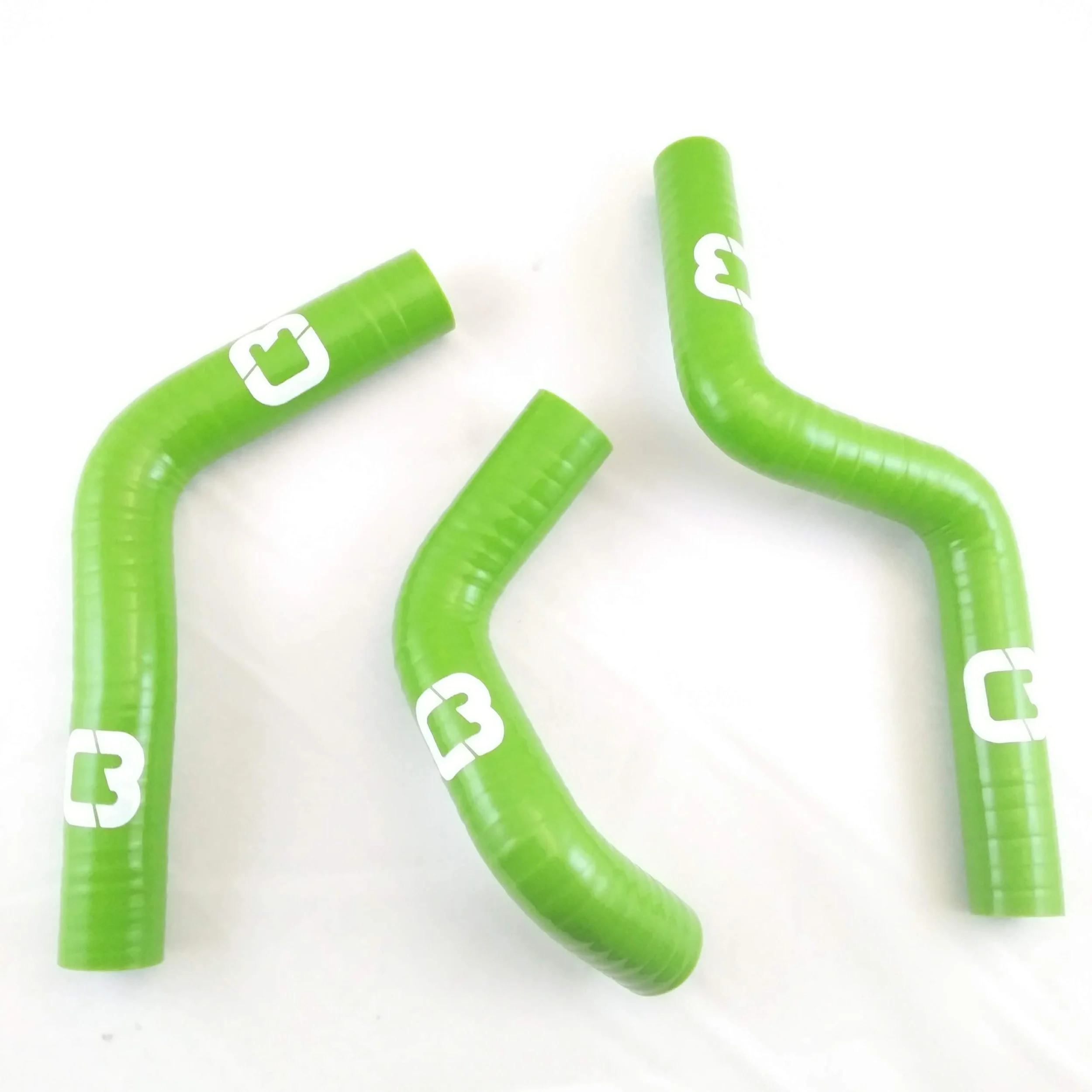
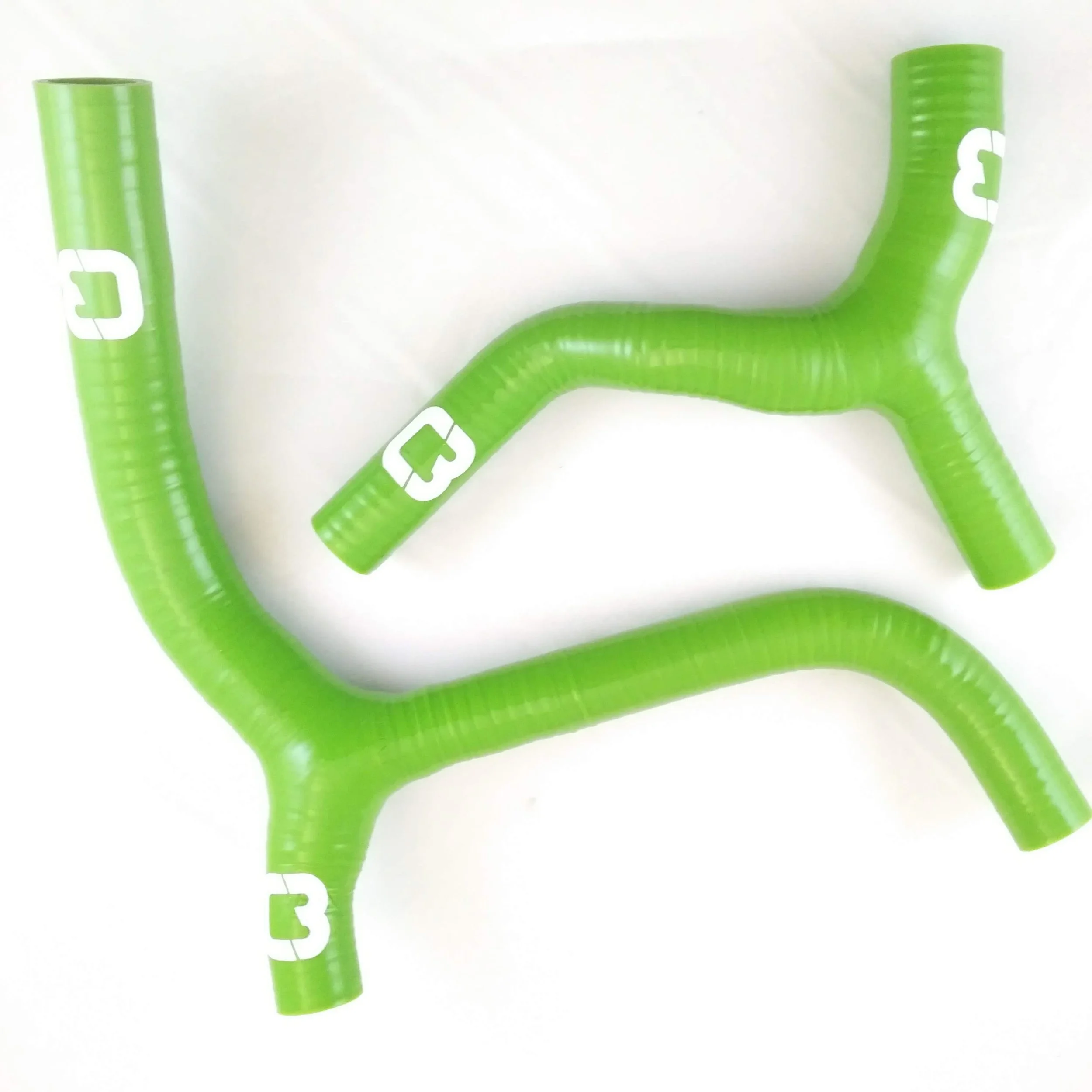
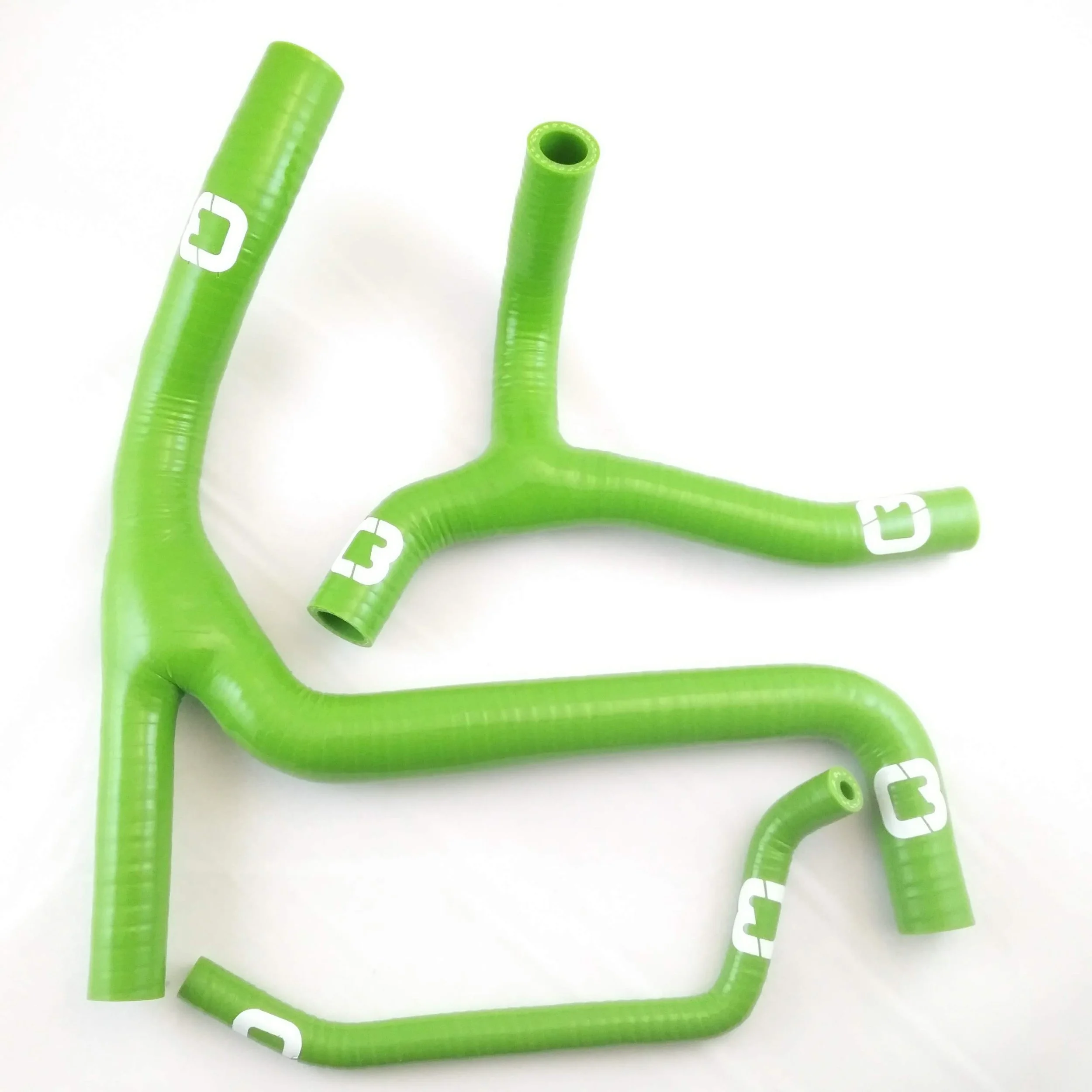
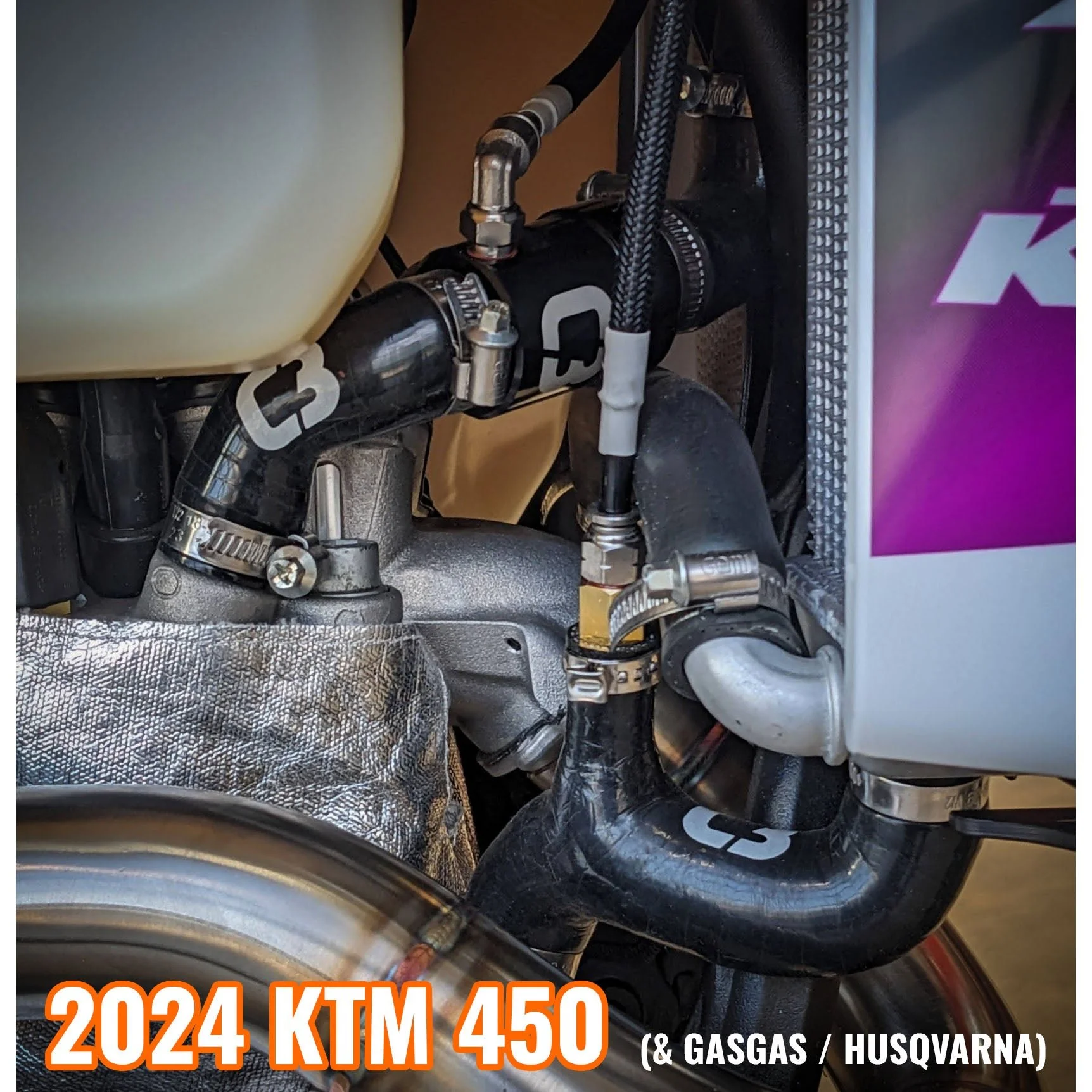
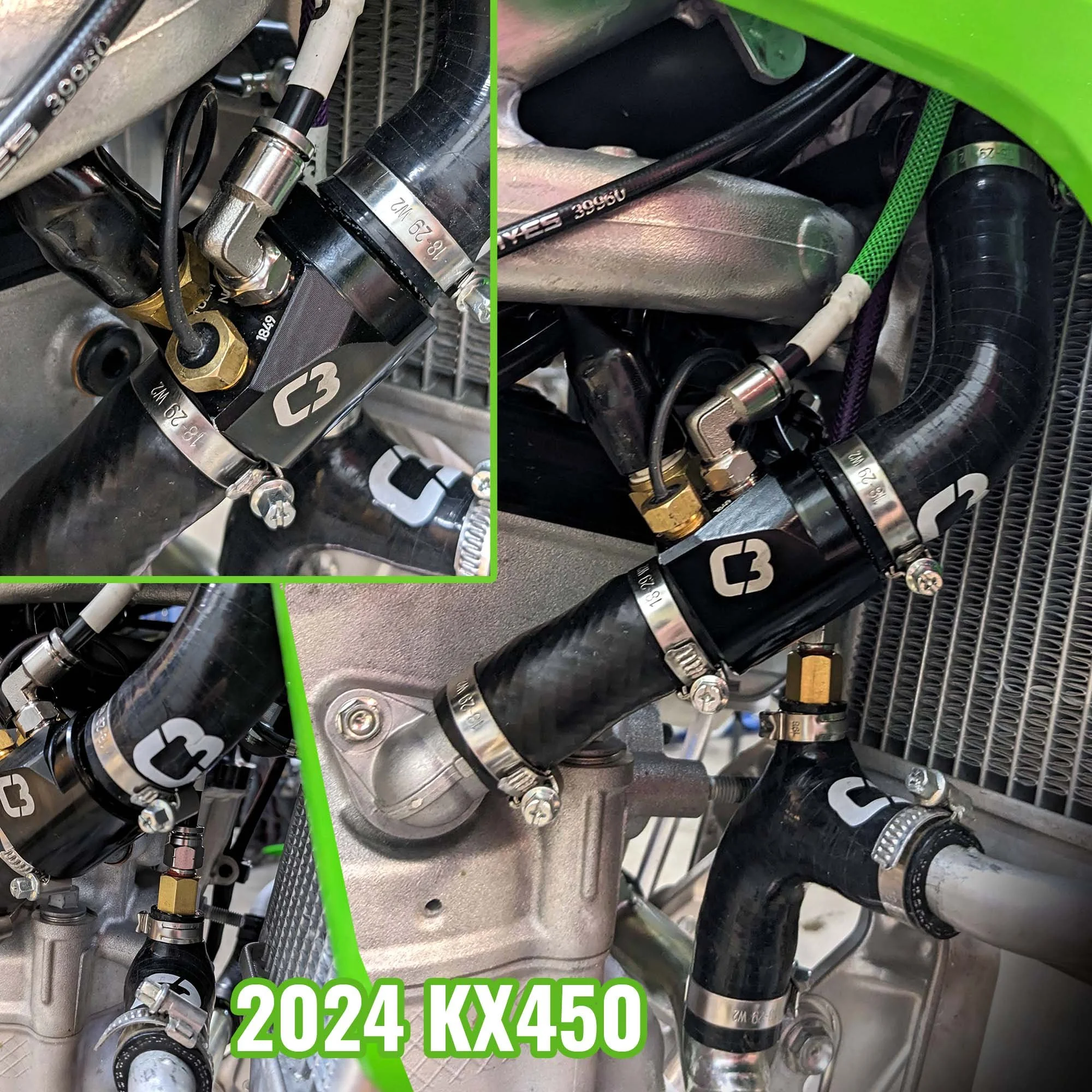
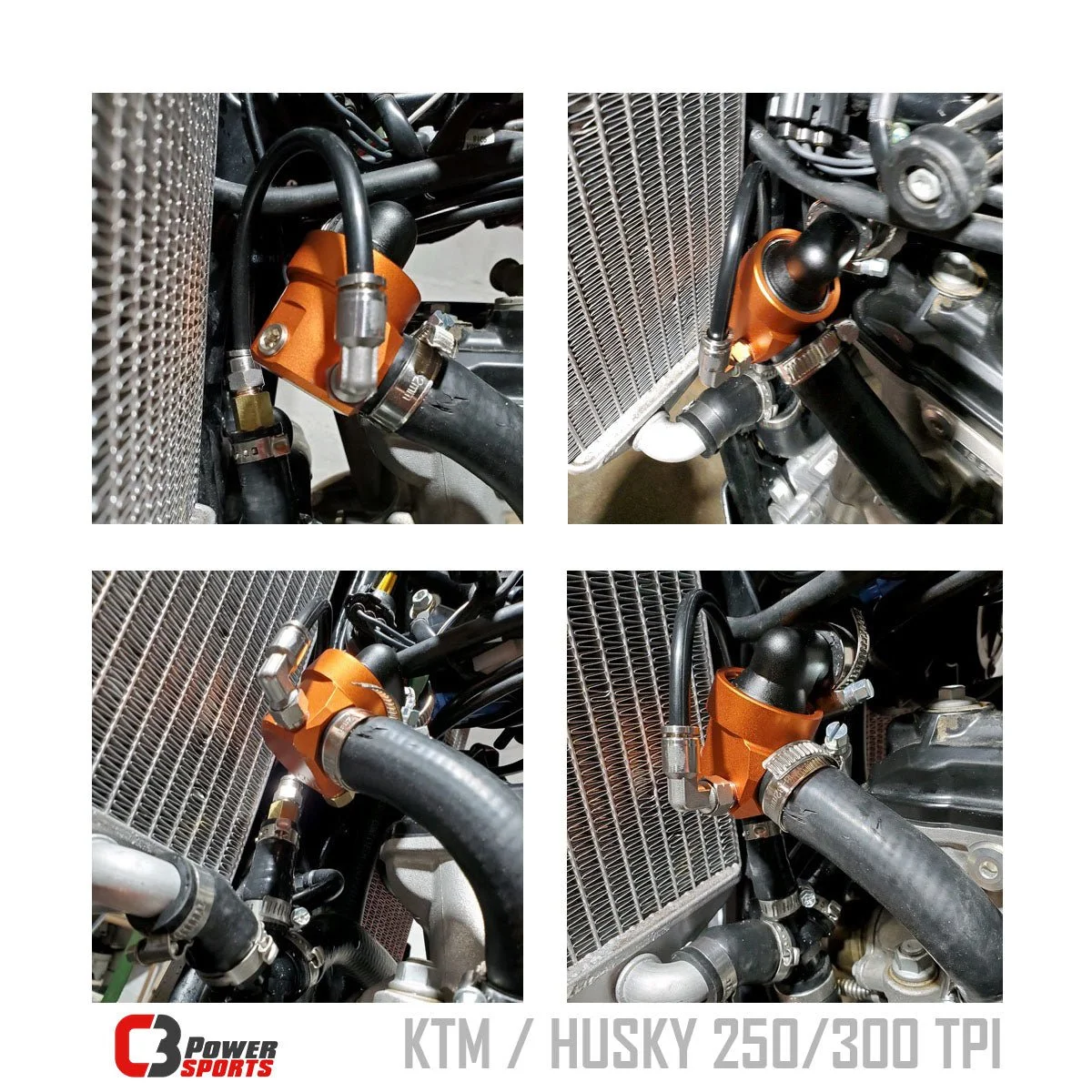
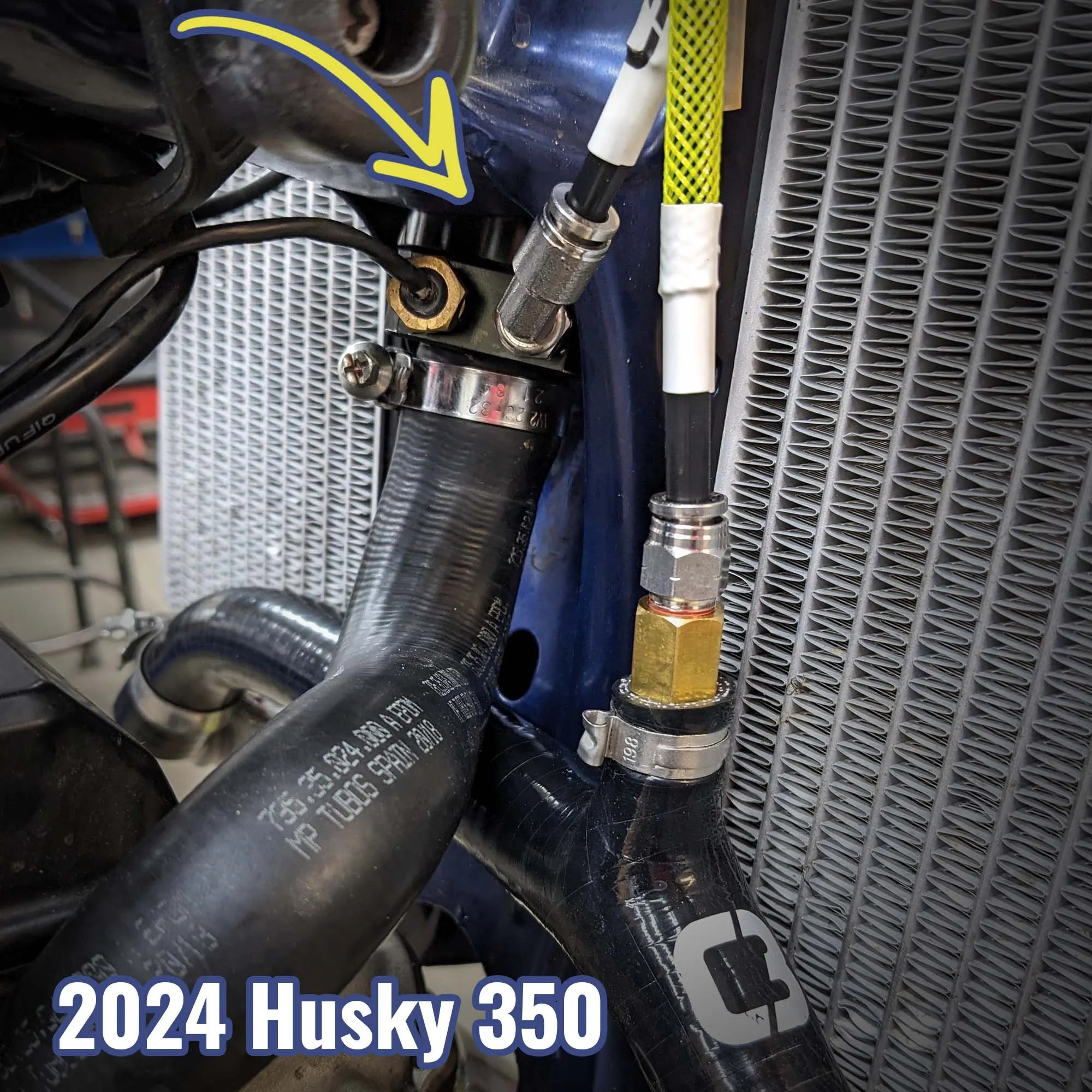
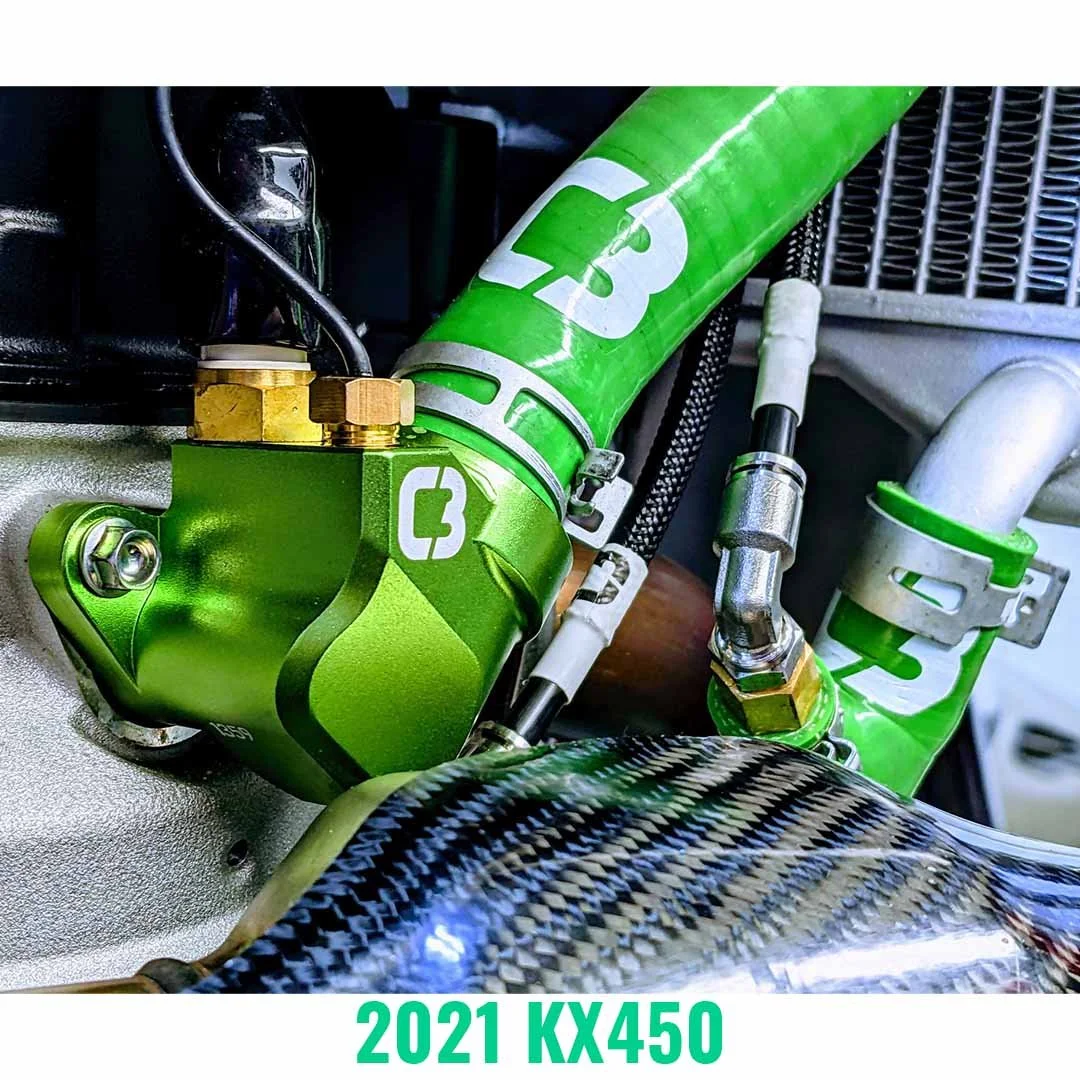
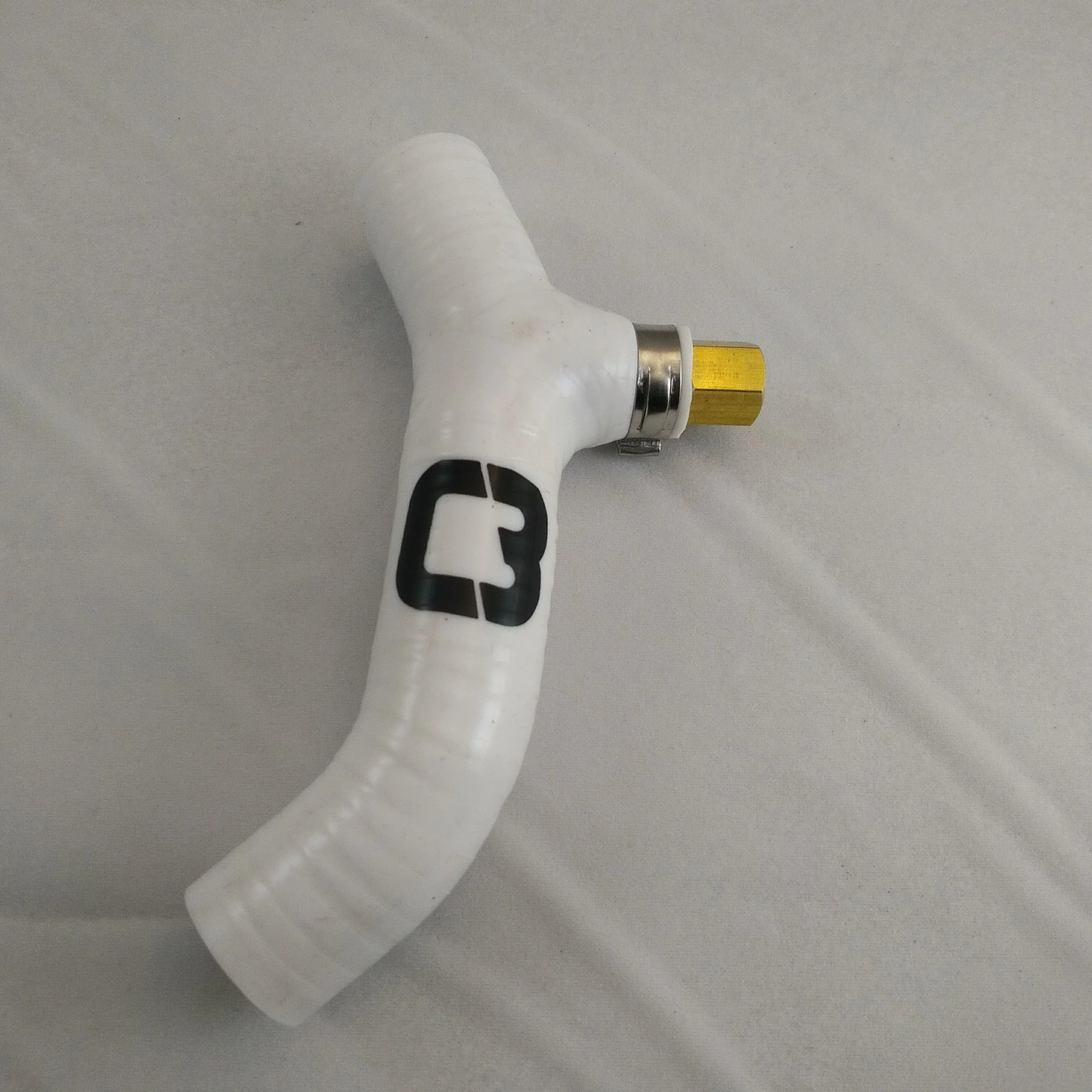
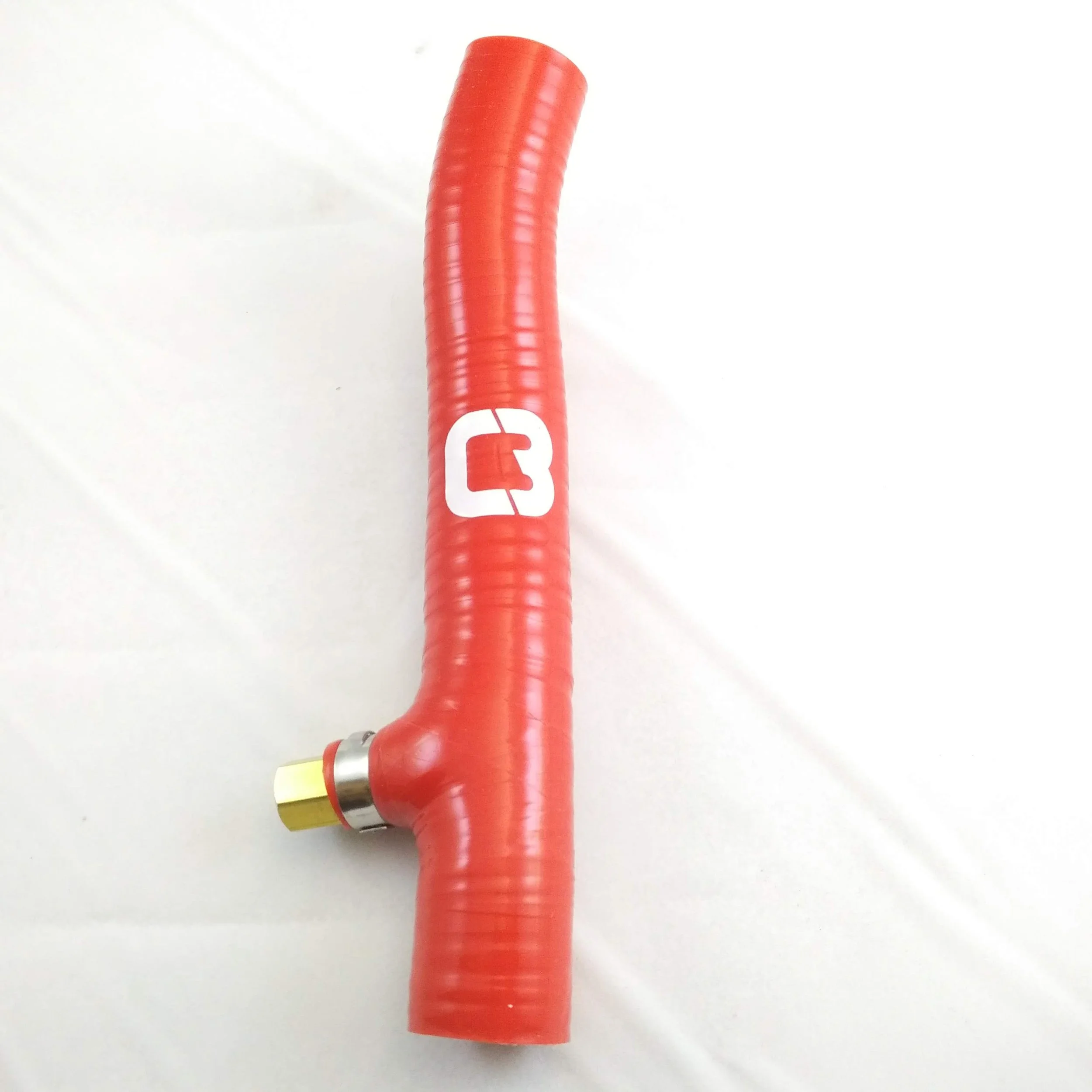
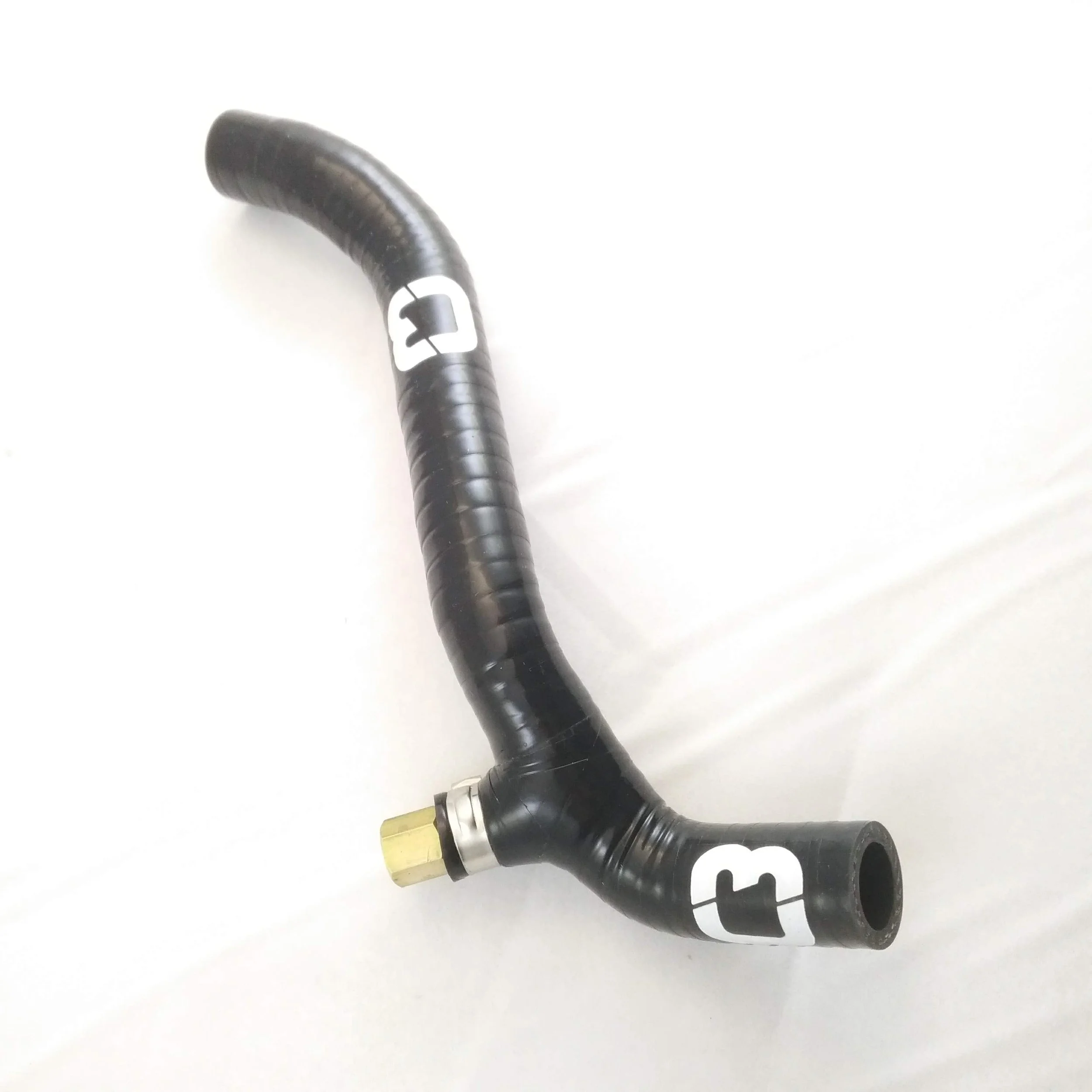
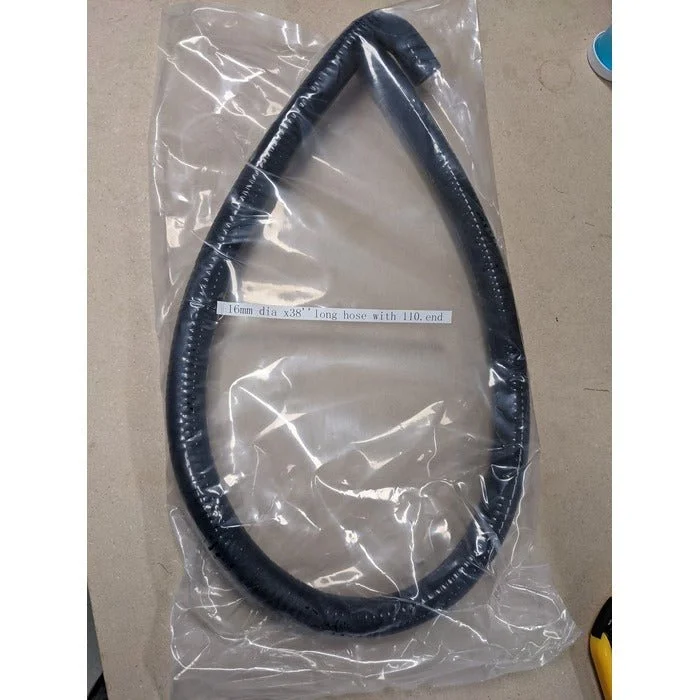
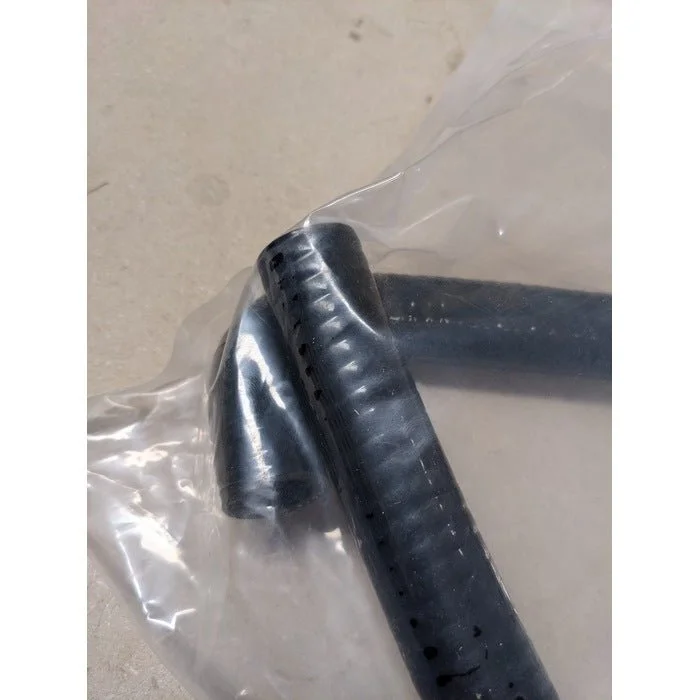
This is not a universal plug-and-play part. Installation can require drilling, chassis access, model-specific hardware, and custom coolant routing. C3’s separate tunnel-cooler hose kit is designed to provide the long silicone runs. The main coolant path is routed downstream of the thermostat through the cooler and back toward the radiator circuit. Installation should be performed by an experienced builder who can verify track, suspension, exhaust, hose, and chassis clearances. Refill and bleed the system correctly, pressure-check it, and confirm stable operating temperature before riding.