

Top Beginner Snowbike Mistakes—and How to Avoid Them
We all have to start somewhere.
Building a snowbike that performs well across a wide range of conditions is not as simple as bolting on a track kit and heading for the mountains. Snow conditions can vary dramatically from one region to another, from one day to the next, and throughout the riding season.
If your bike, equipment, or riding plan is not suited to the conditions, you are probably not going to have a great experience. Worse, you could damage your bike, ruin the day for your group, or put yourself in a dangerous situation.
Here are some of the most common beginner mistakes we see—and how to avoid them.
1. “My Stock Intake Will Be Fine”
Maybe—but probably not.
A stock intake may work during spring conditions, in areas that receive limited snowfall, or when the snow is wet and heavy. Eventually, however, you are going to encounter that perfect snowbike snow: cold, dry, light, and unbelievably fluffy.
It is amazing to ride in, but it also finds its way into everything.
A stock foam filter can collect moisture, freeze over, restrict airflow, and eventually choke the bike out. Snow and moisture entering the intake can also contaminate the engine oil, sometimes turning it into something resembling a McDonald’s Frosty.
That does not just ruin your day. It can ruin the day for your entire group and potentially cause serious engine damage.
At a minimum, we recommend a snow-specific pod-filter setup from a reputable manufacturer such as C3, Airforce, or CMX. We carry several options and can help determine which one fits your bike.
For riders who want reliable performance in the deepest, driest snow, the solution involves more than simply installing a pod filter. Our preferred setup combines:
A snow-specific intake
A modified airbox
Additional shielding around the engine and intake area
This is a combination we regularly use on the custom snowbike builds completed at Moto365.
2. “I Don’t Need a Thermostat”
Sorry to say it, but you could not be more wrong.
That new motocross bike was designed to operate in warmer temperatures while riding on dirt—not while pushing through several feet of snow in subfreezing weather.
Without a thermostat, the engine may struggle to reach and maintain its intended operating temperature. When the engine remains too cold, the fuel-management system may continue adding extra fuel in an effort to warm it up.
That excess fuel can wash oil from the cylinder walls and dilute the engine oil with gasoline. Neither is good for engine performance, lubrication, or long-term reliability.
Install a proper thermostat. Add a temperature gauge. Pay attention to engine temperature throughout the day and do your best to keep the bike operating within an appropriate temperature range.
Your engine will thank you later.
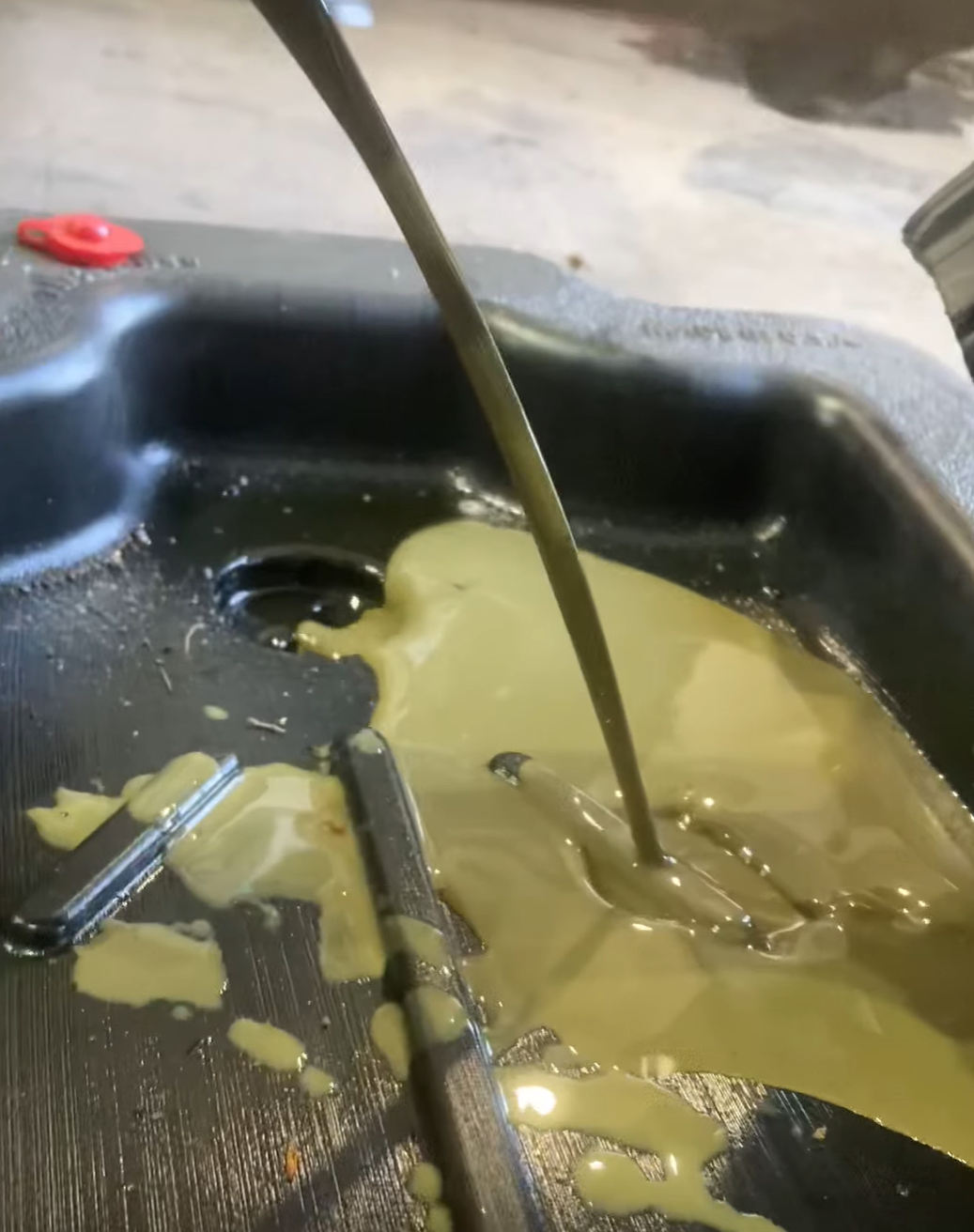
You don’t want to see this coming out of your engine!
3. Ignoring Suspension and Ski Setup
A rider who weighs 120 pounds will need a very different setup than someone who is 6 feet 6 inches tall and weighs 250 pounds.
Do not assume the suspension settings that worked for your dirt bike—or for your friend’s snowbike—will automatically work for you.
Suspension and ski setup can affect:
Ski pressure
Steering effort
Front-end control
Balance
Climbing performance
Rider confidence
Overall fatigue
Small adjustments can make a significant difference. Take the time to set sag, review spring rates, adjust damping, and fine-tune ski pressure for your weight, riding style, and terrain.
A properly adjusted snowbike is easier to control and much more enjoyable to ride.
4. Trying to Save Money in the Wrong Places
You just spent $9,000 on a new snowbike kit, but now you want to skip a $150 intake system?
Saving a small amount of money up front can cost thousands later.
Beginner riders sometimes focus entirely on the price of the motorcycle and conversion kit while overlooking the supporting components that allow the system to operate reliably. Intake protection, temperature control, fitment parts, proper installation, and basic safety equipment are not optional extras.
They protect the much larger investment you have already made.
You do not necessarily need every accessory available, but you should not skip the components that protect the engine, improve reliability, or make the bike safer to operate.
5. Riding Beyond Your Ability
Too many times, we have seen riders follow tracks into places they had no business entering.
Tracks in the snow do not tell you:
How experienced the previous rider was
What equipment they were using
Whether they made it back out
How steep or technical the terrain becomes
Whether conditions have changed since the tracks were made
Understand your own ability, the capabilities of your snowbike, and the experience level of your group.
Everyone wants to learn, progress, and explore new terrain. That progression needs to happen gradually and safely. Ride with experienced people, communicate with your group, and do not allow excitement or peer pressure to push you into a situation you are not prepared to handle.
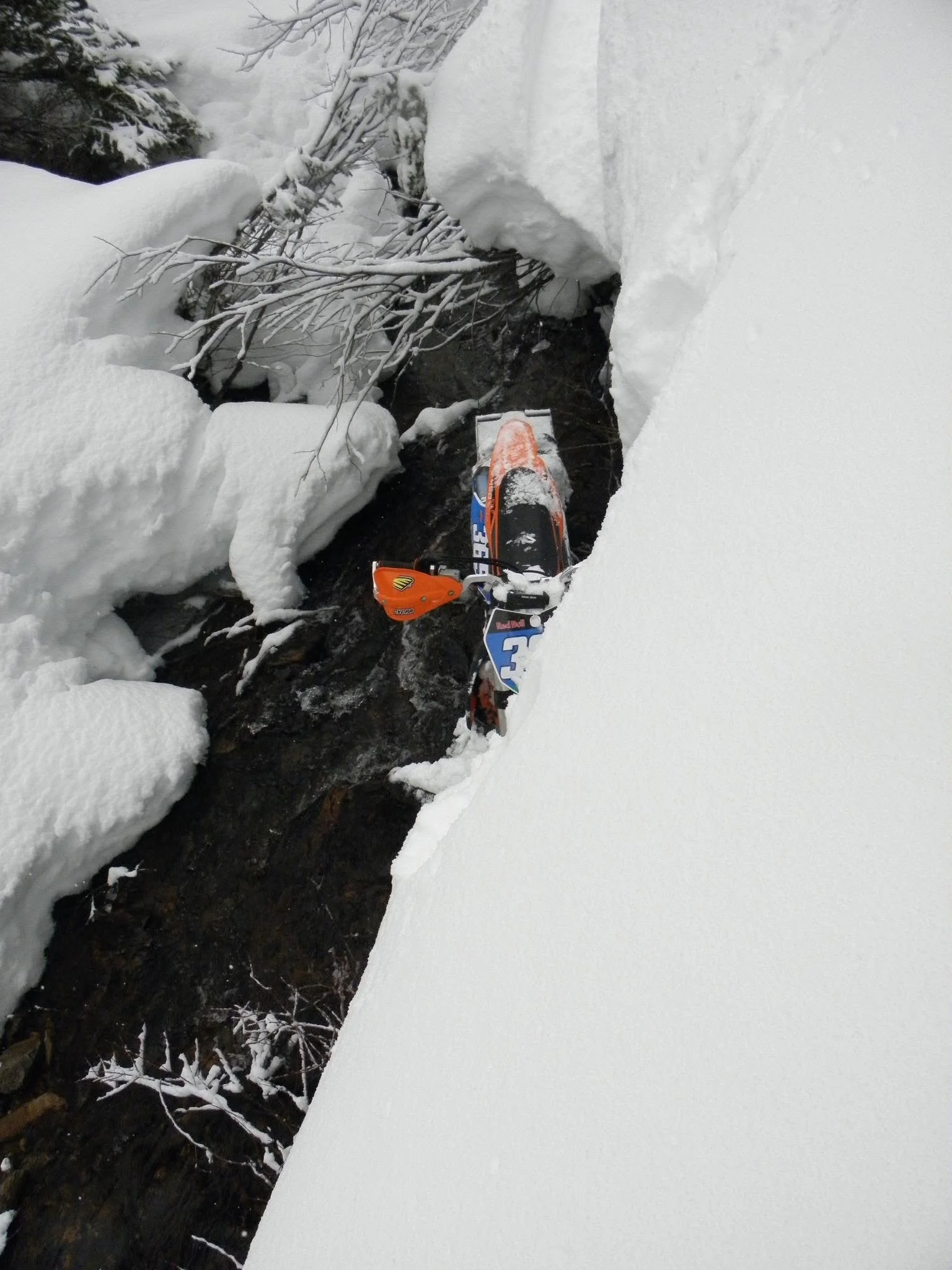
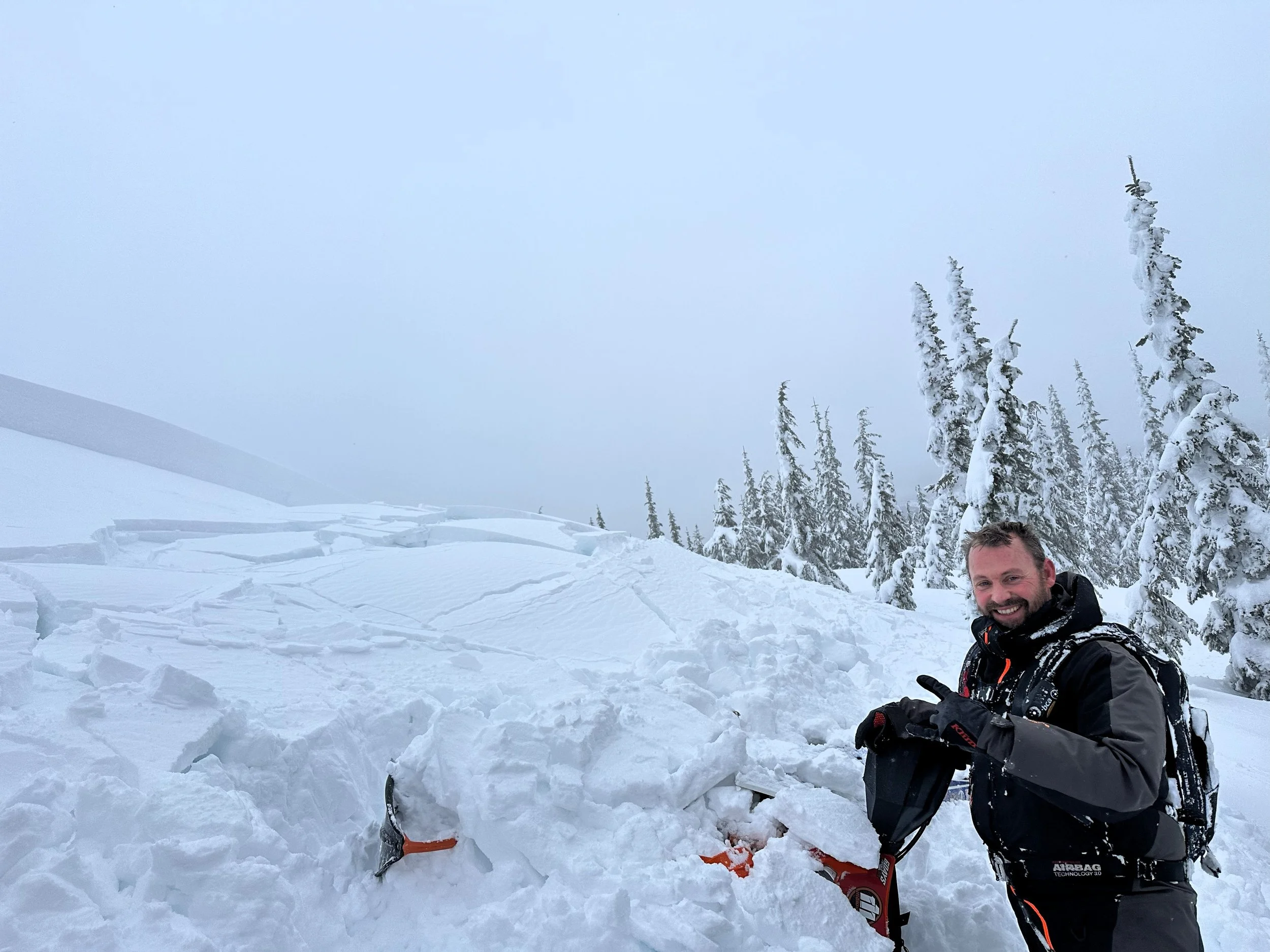
6. Carrying Gear You Don’t Know How to Use
Having the right equipment is important. Knowing how to use it is even more important.
You should understand what you are carrying, where it is stored, and how to use it before something goes wrong. At a minimum, riders should have a basic understanding of their snowbike’s mechanical systems and know how to address common problems in the field.
The same applies to avalanche equipment.
An avalanche beacon does very little good if you do not understand how to operate it. Carrying a beacon, probe, and shovel is not a replacement for avalanche education, regular practice, and sound decision-making.
Your emergency equipment should not be something you are learning to use during an actual emergency.
For a practical packing list, see my backcountry gear checklist.
7. Failing to Check the Weather and Avalanche Forecast
Preparation is one of the most important parts of a successful snowbike trip.
Before every ride, check:
The mountain weather forecast
Recent snowfall
Wind direction and wind loading
Temperature trends
Road and parking conditions
Expected visibility
Conditions can change quickly, particularly in the mountains. Terrain that was manageable last weekend may be completely different after a major storm, warming event, or period of strong winds.
Checking the forecast takes only a few minutes and can help you choose safer terrain, pack the right equipment, and avoid an unpleasant surprise.
8. Underestimating the Importance of Vehicle Tires
This one has nothing to do with the snowbike itself—but it can determine whether your riding day ever gets started.
If you are new to winter mountain sports, it is easy to underestimate how important the tires on your truck or tow vehicle are.
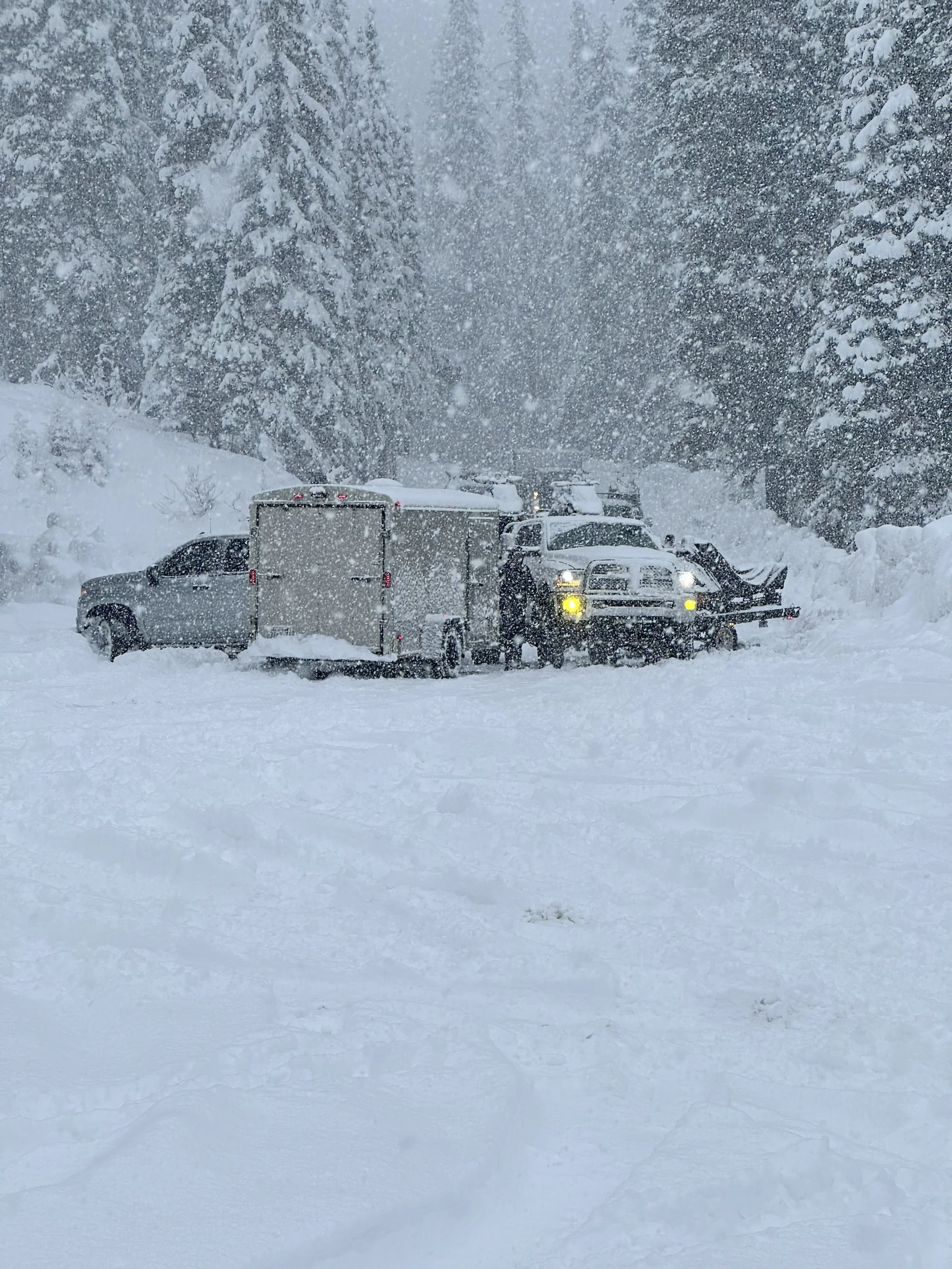
You are not simply driving around town. You may be traveling over mountain passes, navigating unplowed roads, pulling a trailer, and arriving at remote parking areas during some of the worst driving conditions of the year.
Invest in quality winter-rated tires appropriate for your vehicle and driving conditions. Carry chains when required, know how to install them, and make sure your tow vehicle is prepared before heading into the mountains.
Do not be the person stuck in the parking area—or worse, in the ditch before reaching it.
9. Neglecting Pre-Ride and Post-Ride Maintenance
A snowbike kit is not something you install once and then ignore.
Regularly check:
Track tension
Track alignment
Chain tension
Fasteners
Bearings and bushings
Ski condition
Lubrication points
Fuel and oil levels
Electrical connections
Signs of snow or ice buildup
New installations should be inspected especially closely after the first few rides because components can settle, stretch, or loosen.
A five-minute inspection at the truck can prevent a long recovery from the backcountry.
Post-ride care matters just as much.
After every ride, I unload the bike, turn on the shop heater, and slowly unpack everything. The tunnel bag gets emptied, the avalanche pack gets cleaned out, and all of the gear is laid out to dry.
I also remove the seat and store it vertically. This does two things:
It allows water to drain from the seat, helping keep the foam as soft and dry as possible. All seats eventually collect moisture, and that moisture can freeze solid while riding, creating a very uncomfortable situation.
It allows the electronics and wiring under the seat to dry thoroughly.
Another useful tip is to perform maintenance using the same tools you carry on the bike. You will quickly discover what is missing, what does not work well, and what you do not need to carry.
The night before—or a few days before—a ride, I repack everything and take a quick inventory. This is also a good time to plug in the battery tender and make sure the battery is fully charged before heading out.
A little preparation at home can prevent a lot of frustration in the mountains.
10. Being Afraid to Ask Questions
Every experienced snowbiker was once a beginner. I have made more mistakes and done more stupid things than I care to admit.
Snowbike fitment, setup, maintenance, and riding technique can be confusing, and there is no reason to figure everything out the hard way.
Ask questions before purchasing parts. Ask for help with setup. Send photos if something does not look right. Talk to experienced riders and reputable shops before making expensive decisions.
One of the great things about the snowbike community is how welcoming and helpful most people are.
At Moto365, we would much rather help you avoid a mistake before your ride than help diagnose the damage afterward.
Final Thoughts
Snowbiking has a learning curve, but that is part of what makes it rewarding.
A properly prepared bike, the right equipment, realistic expectations, and a little guidance can make the difference between an unforgettable day in the mountains and a frustrating—or dangerous—experience.
Take the time to prepare, learn your equipment, and build your skills gradually. Most importantly, do not hesitate to ask for help.
About the Author
Darren Teal has been riding snowbikes since 2010 and has spent over 16 years testing kits, building custom snowbikes, and helping riders throughout North America choose the right setup. He is an authorized MTN.TOP and CMX dealer based in Post Falls, Idaho.
